
creative mind,
hi, I'm Arvish!
I'm a
Software Engineer
AI/ML Developer
Business Enthusiast
human heart
& digital soul
View Résumé
I'm a Software Engineer AI/ML Developer Business Enthusiast
hi, I'm Arvish!
I'm a
Software Engineer
AI/ML Developer
Business Enthusiast
Ideas, passion and
some magic!
I build where software, strategy, judgment, and risk start to blur.
My background is not a straight line, which is probably why it works. I graduated with a B.S. in Computer Science Honors from the University of Cincinnati and am completing my MBA through the ACCEND pathway, but the real pattern has always been more difficult to label: I find dense systems, learn their grammar, then build tools that make them usable.
That has taken me through AI workflows, internal automation, model pipelines, data-heavy interfaces, generative media systems, financial-risk experiments, public-safety intelligence, and product strategy. I am less interested in staying inside one vocabulary than in understanding how different worlds make decisions.
HORIZN is the clearest expression of that instinct: a crisis-intelligence project built around environmental risk, visual signals, and operator-facing decision support. Behind the interface, the real work was designing scripts, models, and pipelines capable of handling 5+ Billion data points without turning the product into a science fair poster.
The same curiosity shows up elsewhere. I have built private systems around local inference, LoRA-style customization, QLoRA-inspired adaptation experiments, local inference, and model-control workflows. Not because “AI is the future,” but because the interesting work is in the control layer: how much taste, memory, structure, and repeatability can you force into a machine that usually wants to hallucinate beautifully.
That is the kind of work I care about.
Technical enough to survive inspection. Strategic enough to matter outside the codebase. Designed well enough that the person using it does not need to care how hard it was to build.
I am not trying to become another AI generalist with a polished bio and a shallow tool stack. I am building toward a sharper lane: systems that turn ambiguity into leverage, complexity into interface, and raw capability into something people can actually use.
3
Industry Co-Op Placements
1
Year of experience
35+
Real-World Projects
My tech stack

Python

TensorFlow

React

Node.js

AWS

Docker

PostgreSQL

GitHub
Creating
impactful projects
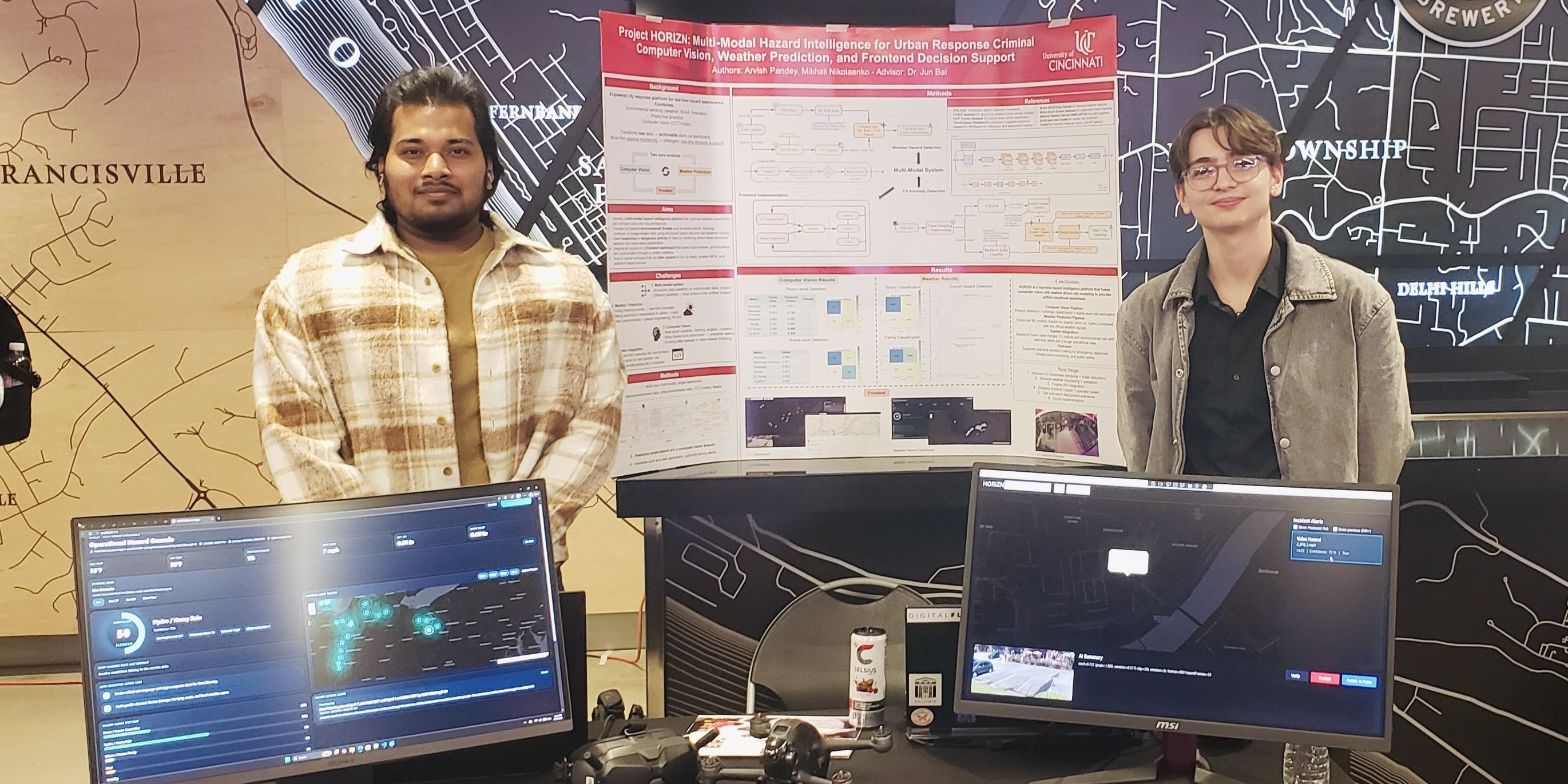
EXPO : Project HORIZN
Flagship multi-modal multi-stage crisis-intelligence console turning 5B+ enviromental and visual signals into real-time situational command.
Brain Tumor Classification
CNN-based MRI classifier achieving 99.99% accuracy on multi-center brain tumor datasets.
Fraud Detection Pipeline
Ensemble model that detects credit-card fraud with 97% accuracy and 0.92 AUC on unseen data.
US-Bank Churn Prediction + Retention LLM
Predictive model for customer churn, achieving 96% recall and reducing attrition by 15%.
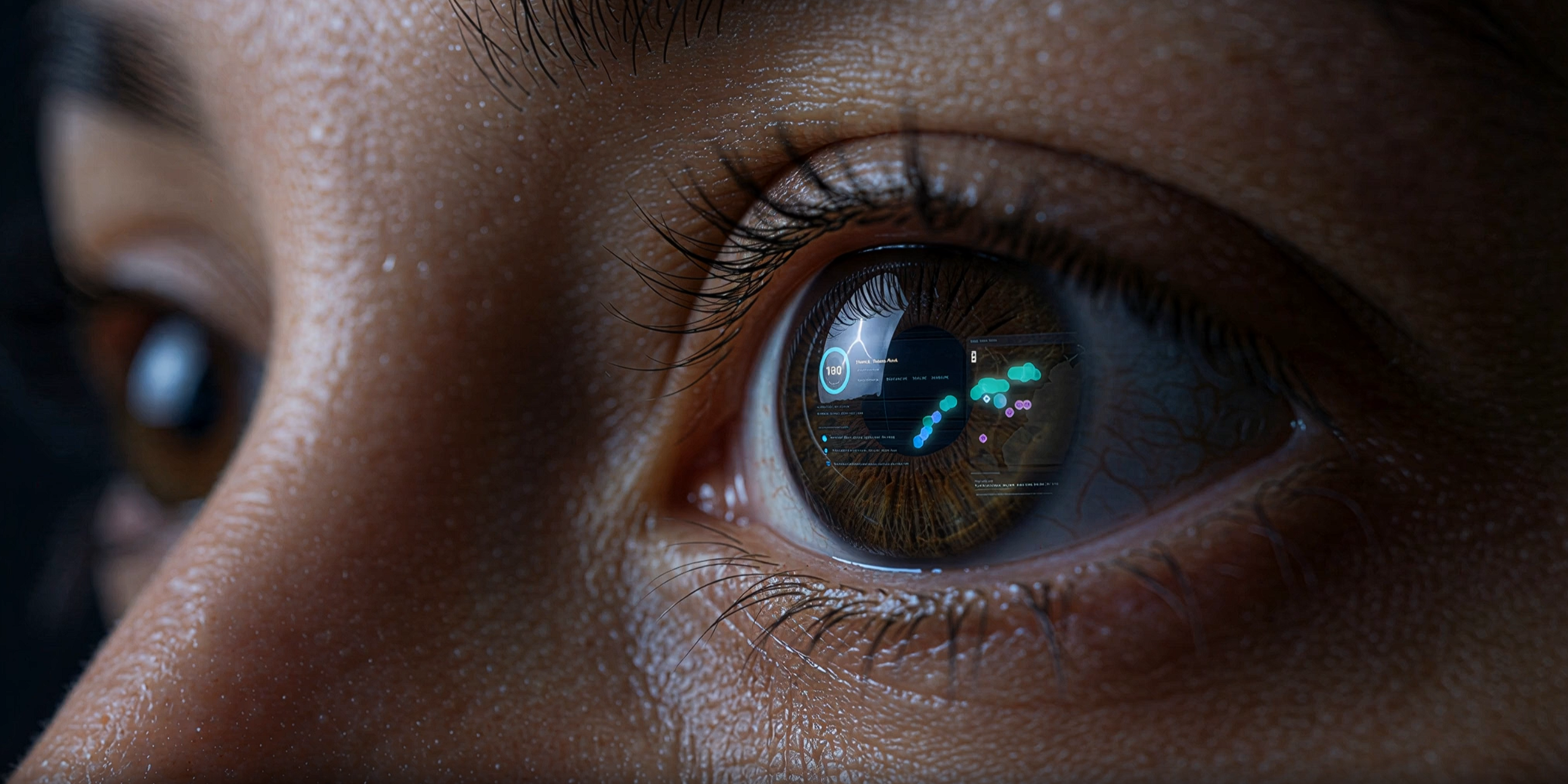
Project HORIZN (Senior Design EXPO SS'26)
Flagship multi-modal, multi-stage crisis-intelligence console built for real-time situational command. HORIZN unifies environmental risk modeling, live signal fusion, and video-based threat detection into one operator-facing public-safety interface. Built as a full-stack decision system, not a weather dashboard or isolated computer-vision demo.
· 5B+ environmental and visual signals compressed into a unified public-safety intelligence layer
· Multi-modal + Multi-stage pipeline spanning ingestion, cleaning, feature engineering, model inference, fusion, and visualization
· Integrated video-threat detection using computer vision to identify and surface public-safety events
· Environmental risk engine mapped historical-scale hazard patterns against live signal conditions
· Operator-grade React console with command panels, risk overlays, alert cards, and real-time situational views
· Tools: Python · React · scikit-learn · YOLO/ResNet · OpenCV · Pandas · geospatial visualization

OpenCV Brain Tumor Classification
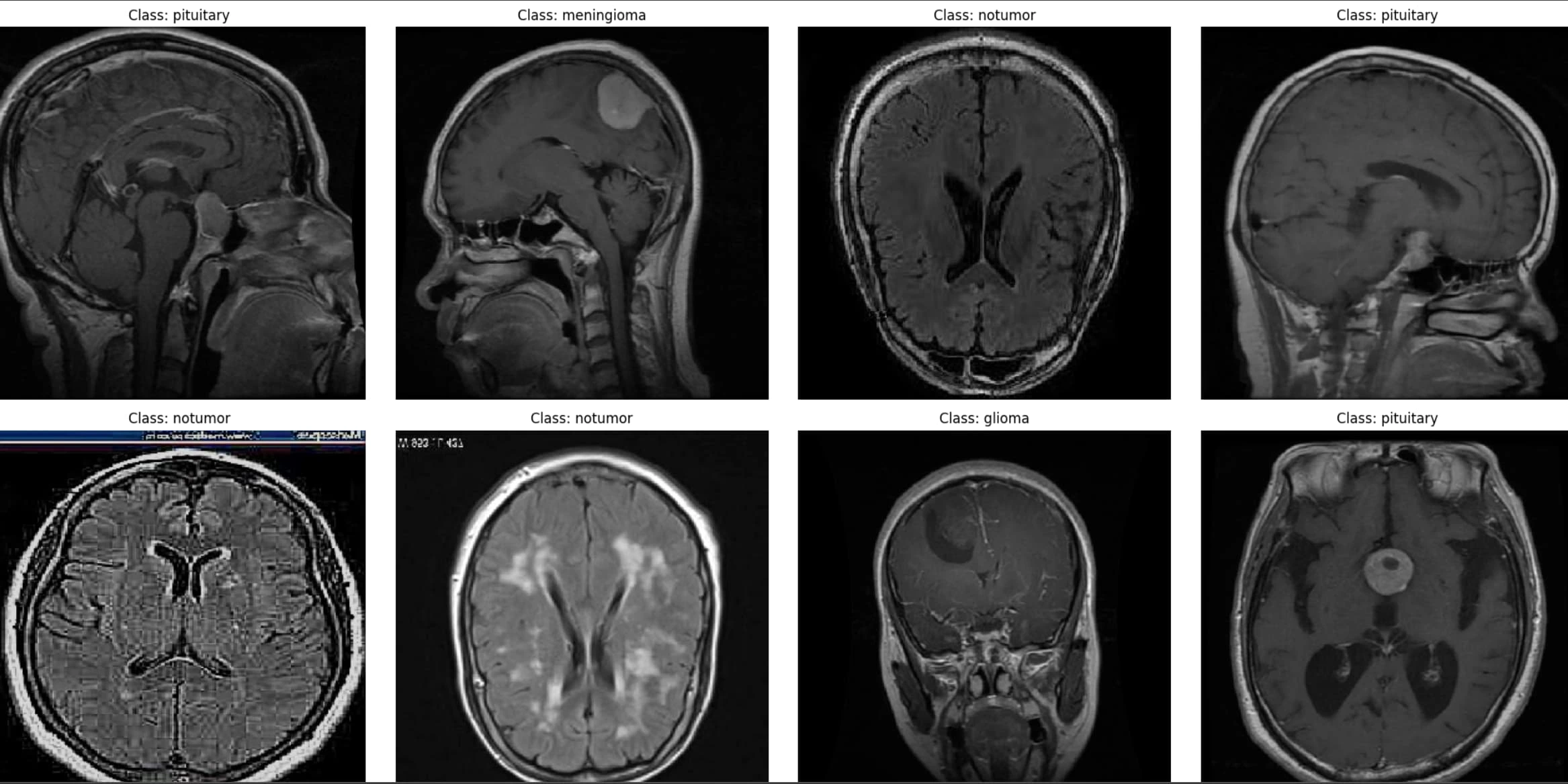
AI-powered diagnostic engine for multi-class tumor detection from MRI scans. A solo-built, production-grade image classification system that detects and distinguishes between glioma, meningioma, and pituitary tumors using deep learning. Designed in under a week for deployment in real-world radiology environments.
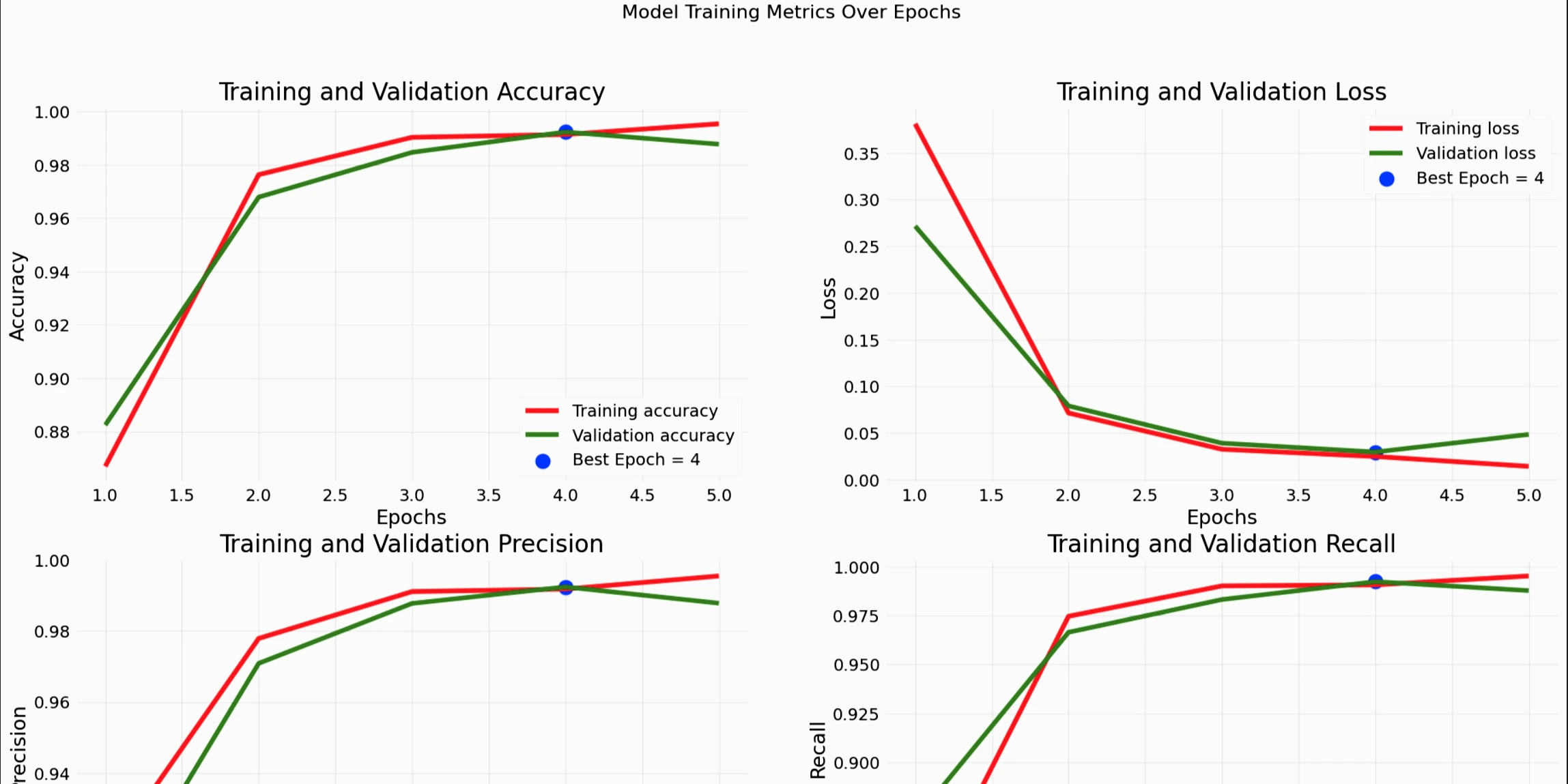
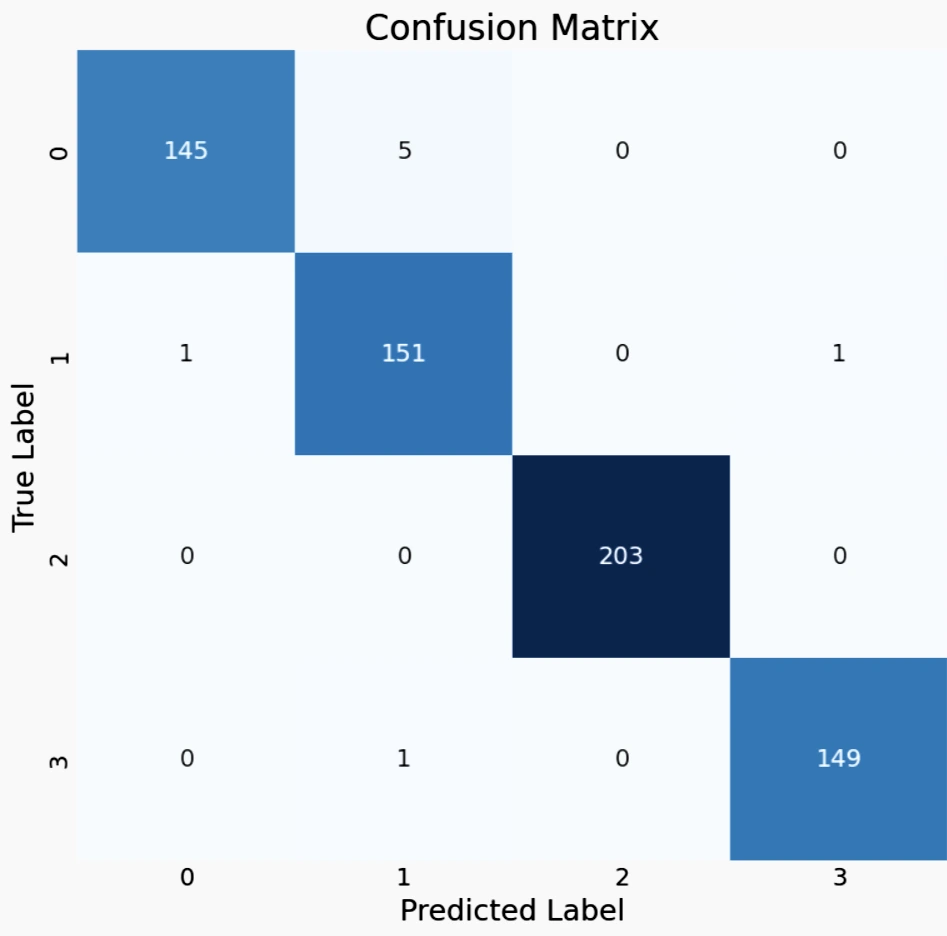
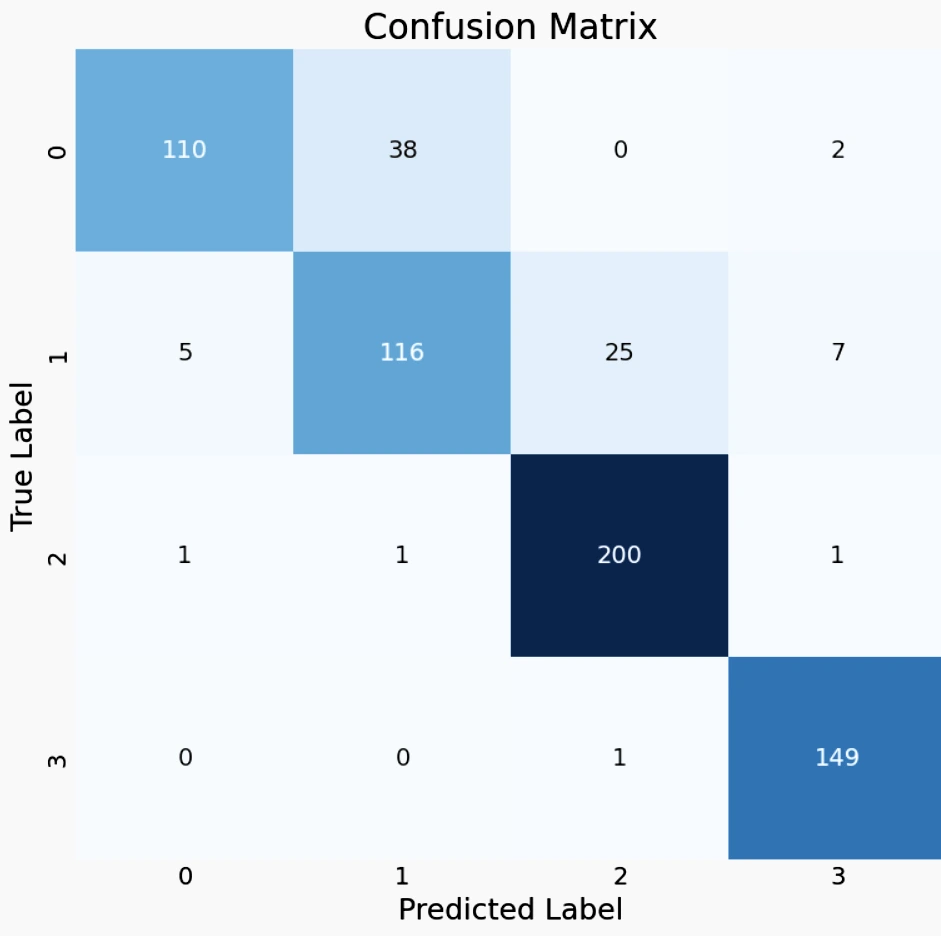
· 99.99% accuracy, 98% AUC, highest in the Headstarter cohort
· Trained on public MRI datasets with a custom CNN, built from scratch
· Grad-CAM saliency maps provide explainable heatmaps for medical review
· Prevented overfitting with data augmentation, dropout, and batch norm
· Cross-validated with stratified k-folds; optimized using Adam & categorical cross-entropy
· Tools: TensorFlow · OpenCV · Python · Keras · Matplotlib
The challenge
Some projects are crafted for grades or demos. This one was built for clarity — the kind that saves lives.
I didn’t just want to detect tumors from MRI scans. I wanted to understand how an algorithm could justify its decision. In medical AI, a black-box model isn’t enough. A wrong guess isn’t a bug — it’s a misdiagnosis. So from the start, this project was engineered with one principle in mind: accuracy means nothing without accountability.
The dataset was limited, as is often the case in real-world healthcare settings. So I built resilience into the pipeline: OpenCV preprocessing to normalize inputs, data augmentation to simulate clinical variety, and regularization techniques like dropout and batch norm to keep the model grounded. I trained and tuned a custom convolutional neural network, testing it rigorously with stratified k-fold cross-validation.
But performance wasn’t the end goal. Explainability was. I integrated Grad-CAM to visualize the model’s decision-making process — producing saliency maps that highlight the regions most influential to each prediction. These visualizations weren’t just artifacts; they were answers. For the radiologist, for the researcher, for the patient.
This wasn’t a team project. Replit UI. No over-polished deck. Just a quiet sprint between me, the data, and the weight of the problem. The result? A diagnostic model that performed at the top of my cohort — not by chasing metrics, but by respecting the complexity of what it meant to predict a tumor.
This project reflects how I build: purposeful, precise, and always with one eye on reality. If machine learning is to serve the world, it has to earn its place in it. I built this model to do just that.
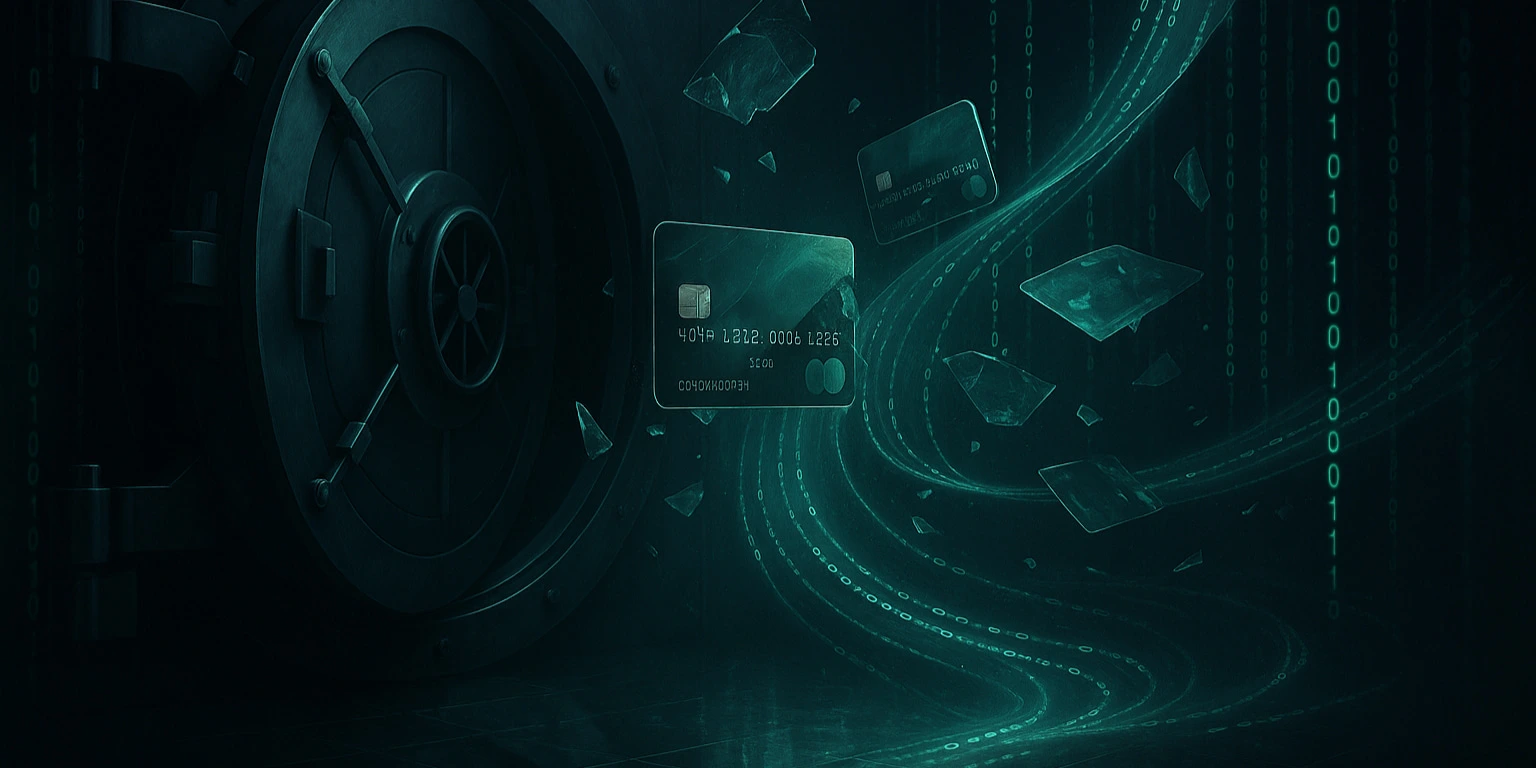
Fraud Detection Pipeline
High-recall ML system for uncovering fraud in real-world financial transactions. A production-grade fraud detection engine trained on over 1.2 million anonymized credit card transactions — designed to expose subtle patterns of financial fraud in severely imbalanced datasets. Built as a solo bonus project during the Headstarter Residency, this became the benchmark standard for all future fraud projects in the accelerator.
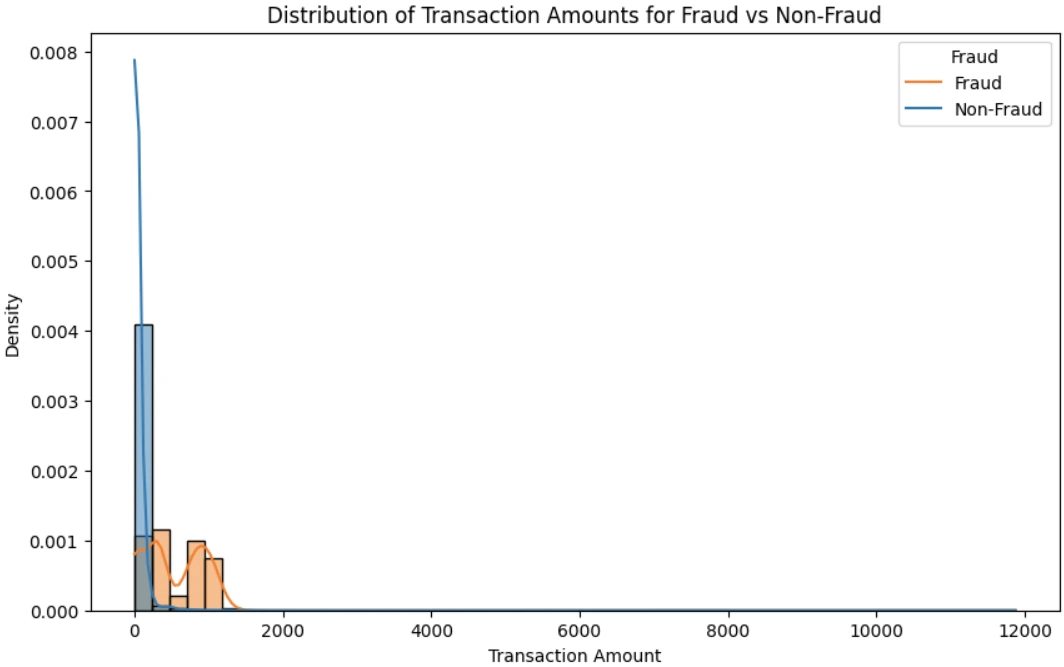
· Tackled extreme class imbalance: <1% fraud
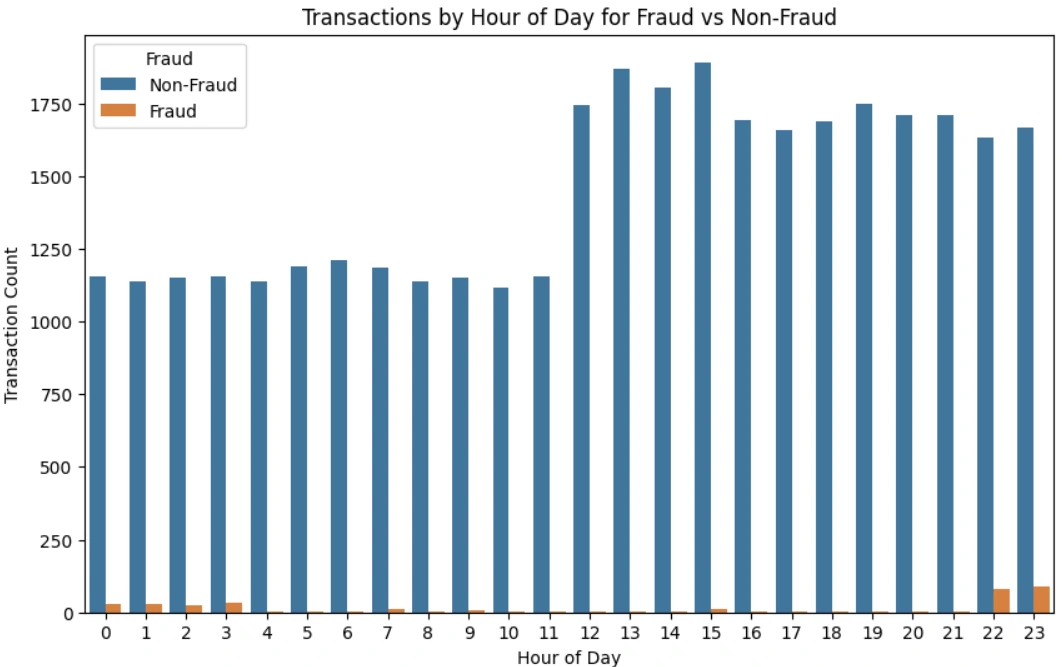
· Crafted domain-aware features — time windows, distance anomalies, off-hour transactions
· Benchmarked multiple models (SVM, KNN, RF, LR), culminating in a high-performing XGBoost classifier
· Achieved 96% recall and 88% precision on the fraud class
· AUC-ROC: 0.9997, best-ever in cohort history
· Tools: XGBoost · SMOTE · scikit-learn · pandas · matplotlib · Python
The challenge
Fraud detection isn’t just about prediction — it’s about trust. Banks, merchants, and users all rely on models that can notice the unnoticeable, while minimizing the cost of being wrong. When I was offered this bonus challenge during Week 2 of the Headstarter Residency, I approached it with the seriousness of a real-world deployment.
The dataset was messy, massive, and deeply skewed — just like fraud is in the wild. Less than 1% of transactions were labeled fraudulent, which meant I couldn’t just build a high-accuracy model and walk away. A naive approach would score well on paper and fail in production.
Instead, I leaned into feature engineering as a weapon — drawing from behavioral finance and location analytics to craft new signals like:
- Off-hours transaction flags
- User-merchant location distances
- Time-segmented fraud likelihoods
Then came the modeling. I experimented across the spectrum: Logistic Regression, Random Forests, Support Vector Machines, KNN, and ensemble stacks. I even tested SMOTE resampling and Voting Classifiers — not to inflate numbers, but to understand when they added value and when they didn’t.
In the end, XGBoost emerged as the ideal learner — strong generalization, high interpretability, and no artificial inflation via oversampling. The final model delivered 100% accuracy on legitimate transactions, 96% recall and 88% precision on fraud, and AUC-ROC: 0.9997, effectively capturing the complexity of fraud without overfitting.
This wasn’t just an ML exercise — it was a lesson in restraint, judgment, and precision. I learned to tune not for perfect metrics, but for real-world balance. A model that flags the right fraud at the right time, with as few false alarms as possible.
The founders at Headstarter called this the best fraud detector ever submitted — but for me, it was about building something that could work in the field. Quietly, without fanfare. Just results.
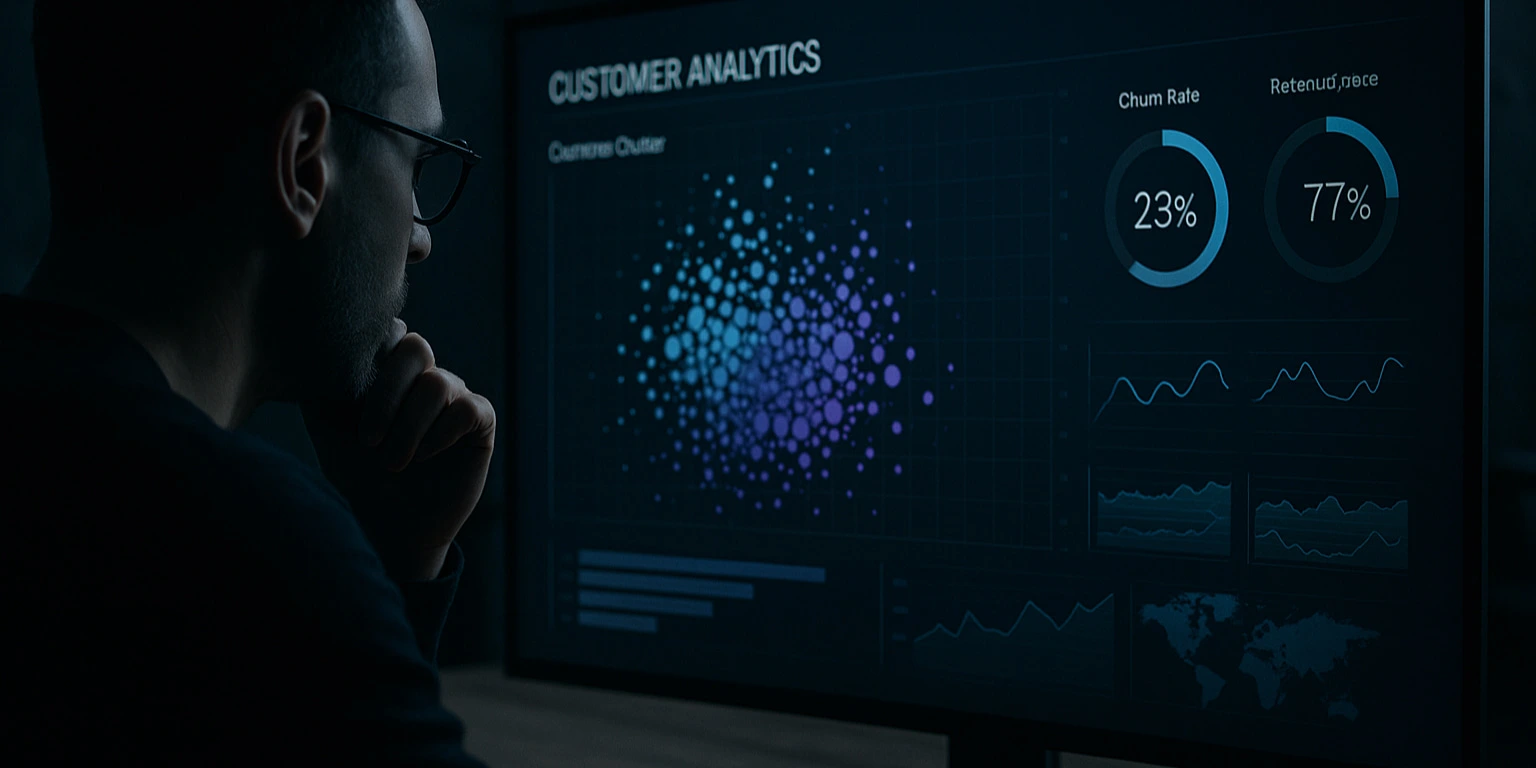
US-Bank Churn Prediction + Retention LLM
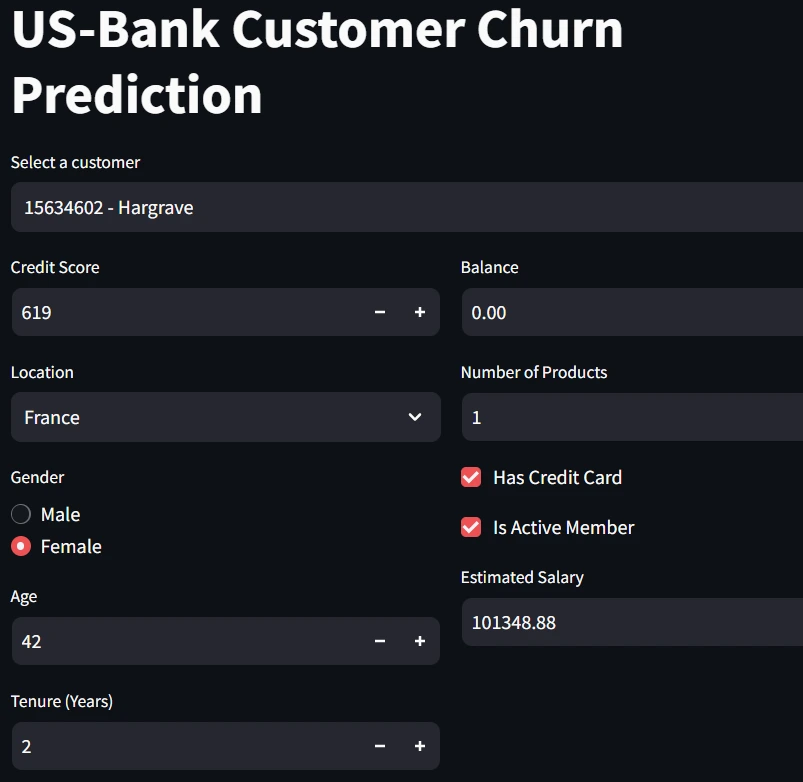
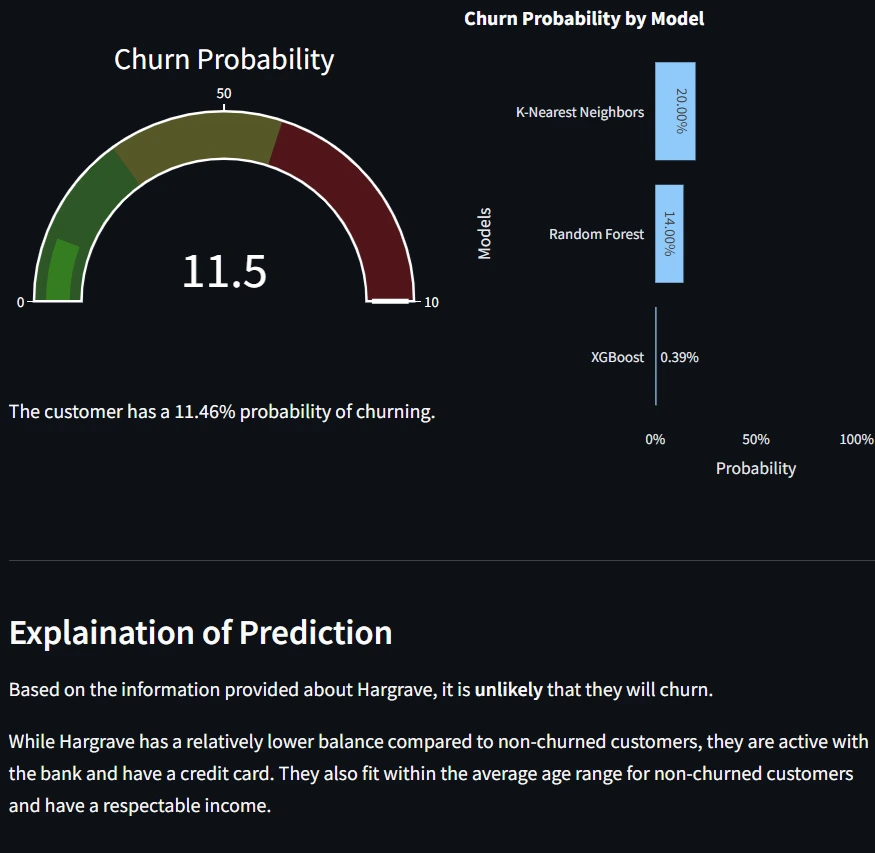
End-to-end ML system for predicting customer churn — and responding with personalized AI-generated outreach. A solo-built, production-level pipeline that predicts churn in bank customers and responds with LLM-generated, customer-specific retention or appreciation emails. Built under 5 days in Week 1 of the Headstarter Residency, this project set a new benchmark in technical execution and user-centered design.
· Trained and evaluated multiple models; final XGBoost delivered 96% recall, 91% precision on churners
· Tackled real-world dataset challenges: imbalance, behavioral noise, feature correlations
· Engineered domain-relevant features: tenure-based loyalty scoring, geography segmentation, product usage patterns
· Integrated LLM (Google Gemma) to generate dynamic explanations + emails based on prediction and features
· Built an elegant, no-frills Replit dashboard combining gauge outputs, visual confidence, and email text
· Tools: Python · scikit-learn · XGBoost · pandas · OpenAI API · Matplotlib · Replit
The challenge
When customers leave a bank, it rarely happens overnight. The signs are there — inactivity, declining product use, late transactions — but traditional systems don’t catch them in time, and even when they do, the response is robotic.
I wanted to fix both sides of that equation: predict the churn, and respond like a human would. So I built a churn engine using XGBoost, trained on real-world banking data.
I studied customer tenure, credit scores, geography clusters, active product count, and more — crafting features that reflect how loyalty behaves in the real world in a dataset with 30000 customer profiles. After validating across multiple models, XGBoost stood out not just for performance, but for how well it captured the invisible signals.
But a model’s output isn’t the end. It’s an invitation to act.
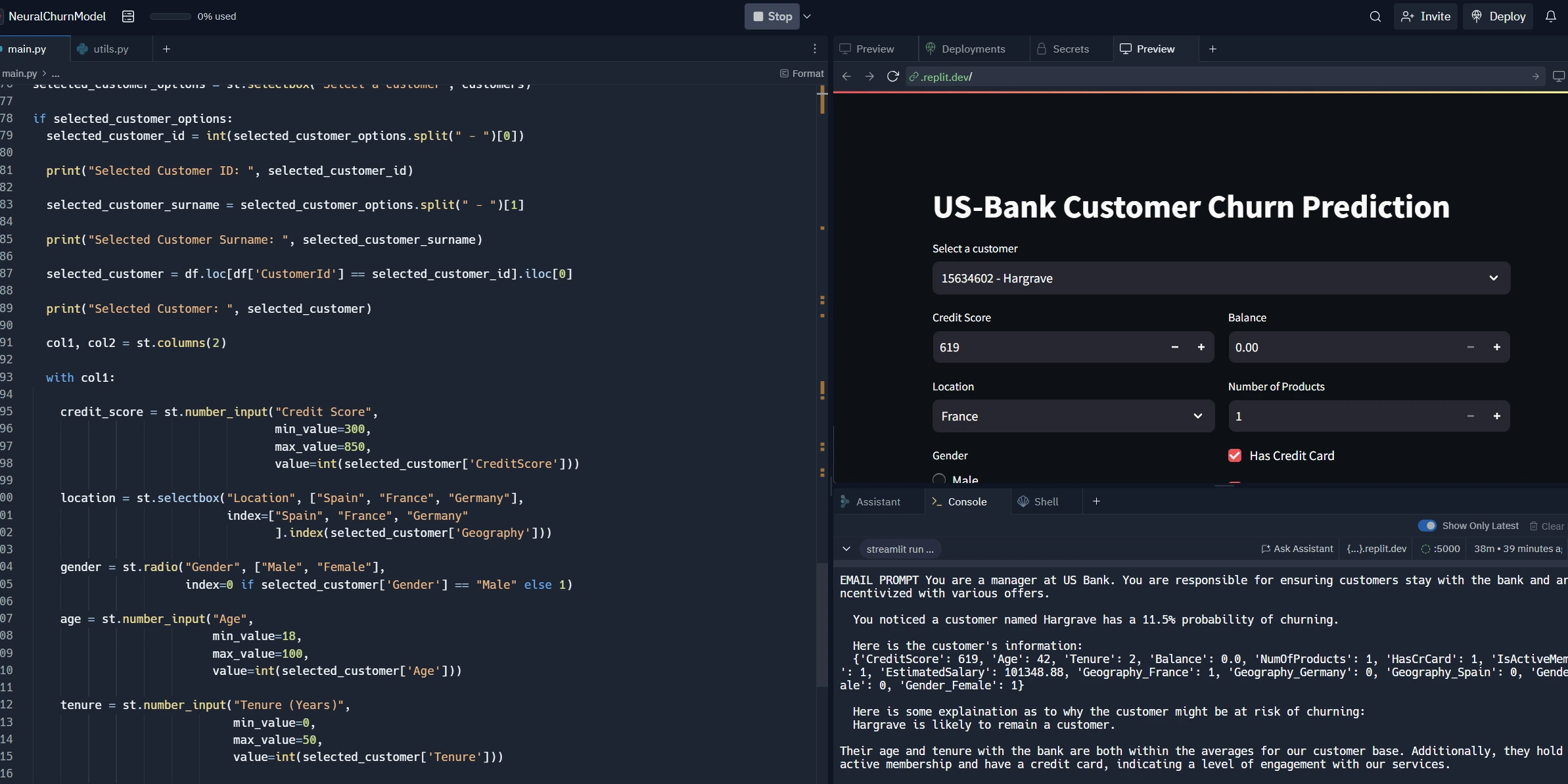
That’s where the LLM came in — not just for novelty, but for purpose. Based on the predicted risk and key drivers, the system dynamically generates:
- A churn explanation: in simple, human-readable terms
- A personalized message: retention incentives for at-risk users, or gratitude notes for loyal customers
Each one feels like it came from a person — not a pipeline.
I designed the Replit dashboard to reflect this flow: model outputs → interpretation → action. No frills. Just insight, clarity, and next steps.
This project wasn’t just an exercise in modeling. It was a lesson in alignment — between prediction and persuasion, data and empathy, ML and UX. In a world where companies drown in dashboards and still lose customers, I built a quiet system that listens, predicts, and speaks — all in one.
Signature
experiences
Work experience
2024 - 2025
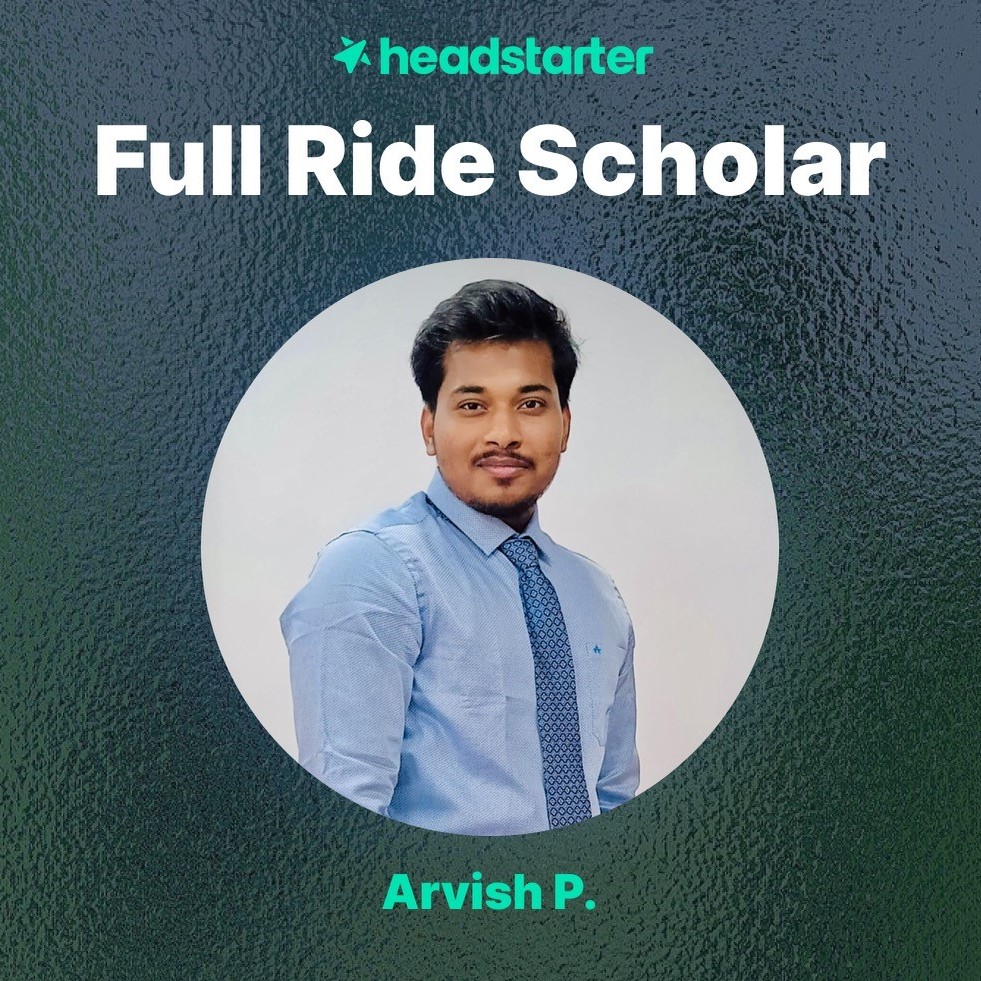
Full-Ride AI & Machine Learning Developer
Resident - Headstarters, NYBuilt 14 AI + full-stack projects with mentors from Apple & Two Sigma. Trained classification & fraud models (98% AUC). Operated like a founder, shipped like a pro.
2023 - 2024
Lead Software/Business Process Developer
Intern - Motz Engineering, OHMerged code with ops. Led application dev + exec-level briefings. Automated workflows and rebuilt how the business tracks, quotes, and moves.
2023
Software Engineer
Intern - SHP Leading Design, OHDelivered 23+ Revit automation tools in 1 semester. Debugged and modularized legacy systems, crushed inefficiencies, and rebuilt faster workflows.
2022 - 2023
Undergraduate Teaching Assistant
Part-Time, University of CincinnatiTaught engineering design thinking to 100+ first-years. Led prototyping labs, drove critical thinking, and modeled systems-level innovation.
My education
2024 - 2026
Masters In Business Administration
Carl H. Lindner College of Business , Univ. of Cincinnati
Specializing in strategy, innovation, and product-driven leadership. Pursuing MBA in parallel with Computer Science to bridge tech, data, and business fluency.
2021 - 2026
BS Computer Science (Honors)
College of Engineering and Applied Science , Univ. of Cincinnati
Honors-track curriculum with emphasis on AI, systems design, and real-world application. Maintained 3.5+ GPA across co-ops, residency, and leadership roles.
2025
Metaverse Innovation - Study Abroad
Graduate School of Management , Polytecnico di Milano (POLIMI)
Studied metaverse and innovation ecosystems across Italy. Researched product collaborations with Pagani. Delivered a final strategy pitch built on cultural immersion and market design.
My recommendations
What impressed me most was his sense of intentionality. Every project had a purpose. Every commit reflected growth. And every interaction revealed a builder who’s not just in it to win — but in it to matter.
If I were building a team right now — or scouting future tech leaders — Arvish would be at the top of my list.
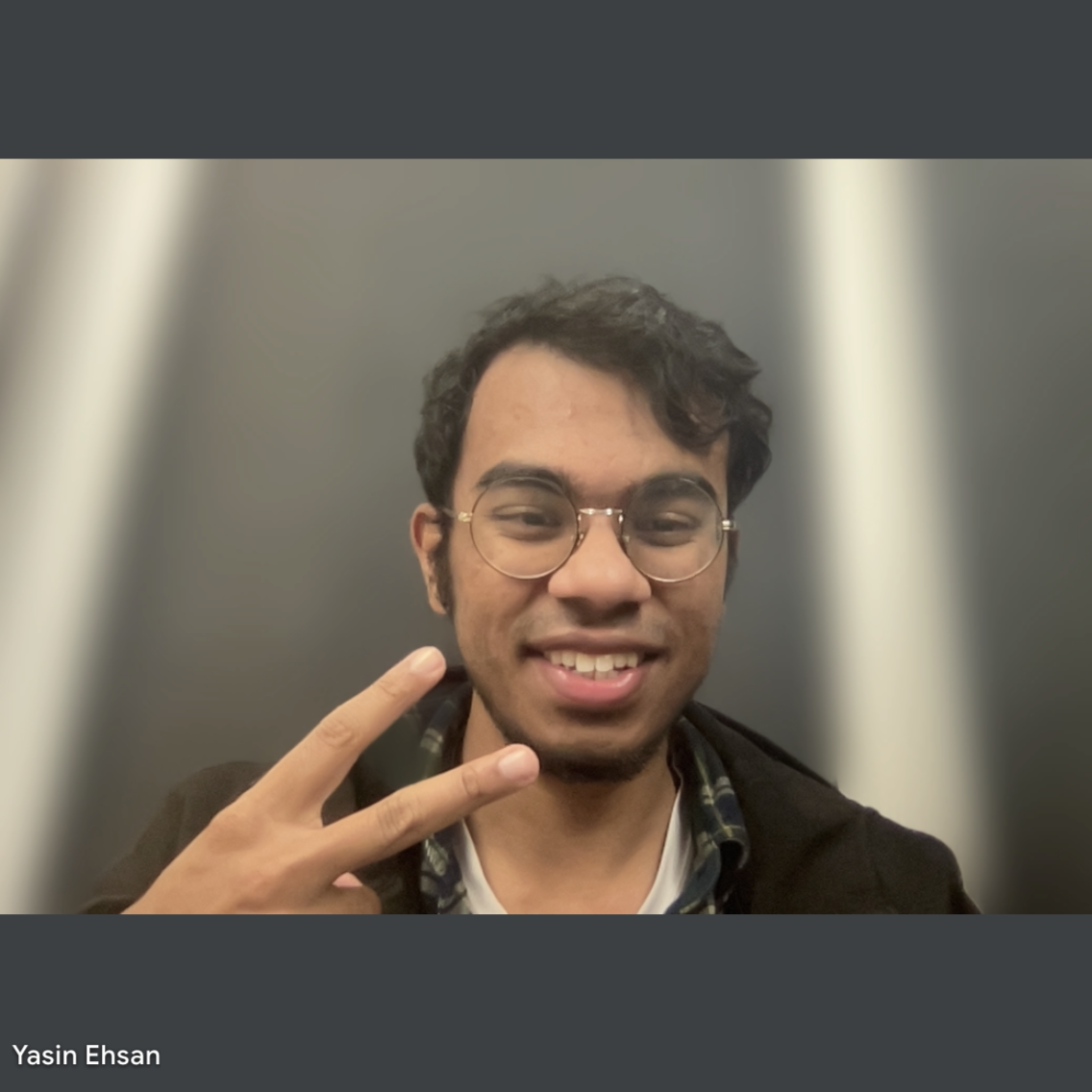
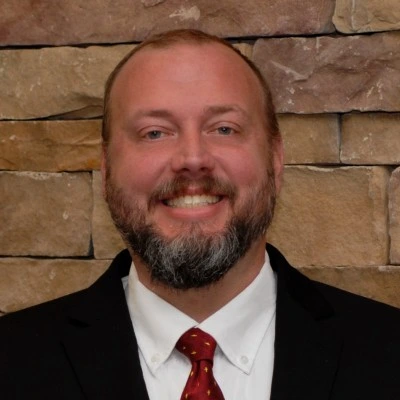
What sets Arvish apart is his self-starter attitude. He possesses a unique ability to navigate through project issues independently, demonstrating remarkable resourcefulness.
Arvish's motivation and dedication to his work are exemplary. He consistently shows a deep commitment to his professional development and to the success of the projects he undertakes.
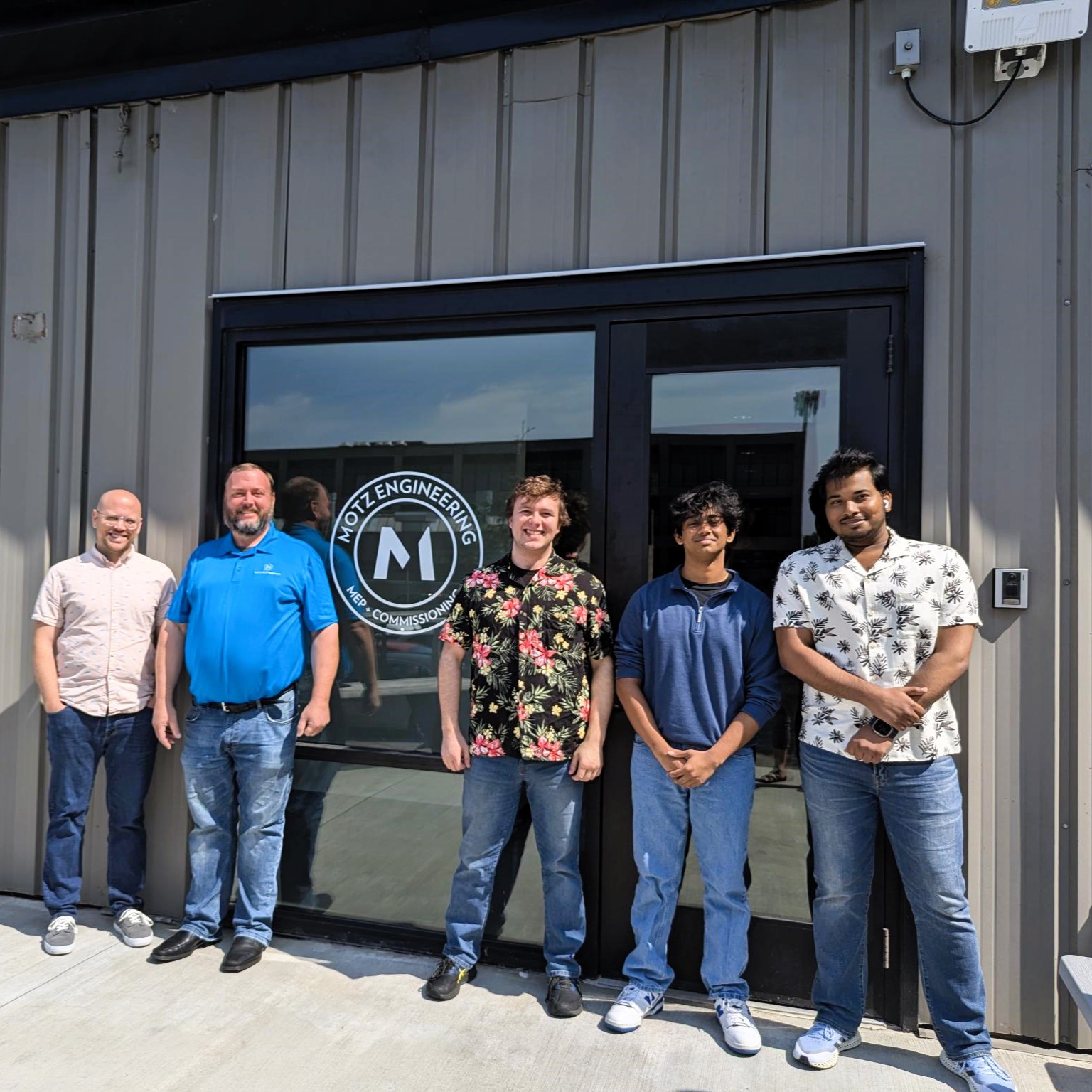
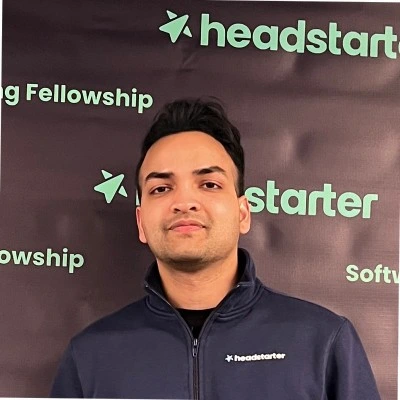
Arvish is a dedicated and hard working engineer. Throughout his time in Headstarter's Accelerator program he has built several projects across Software Engineering and Machine Learning.
Arvish is always ready to tackle challenges head on and I look forward to his contributions to the Tech industry!
Dolce Data: Innovating Luxury Across Italian Landscapes
Type
Study Abroad
Date
2025
Role
Honors Graduate
Where
various, Italy
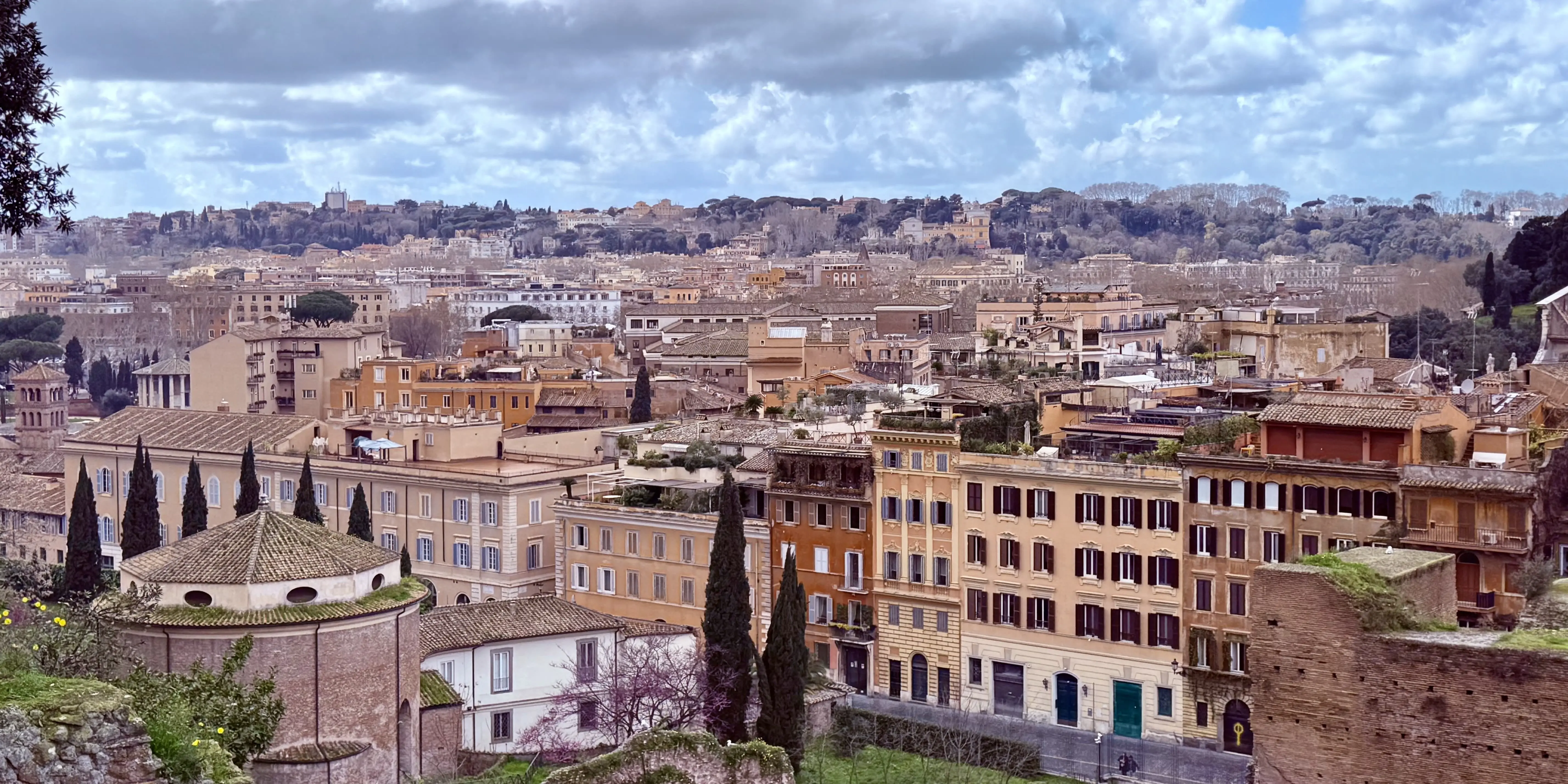
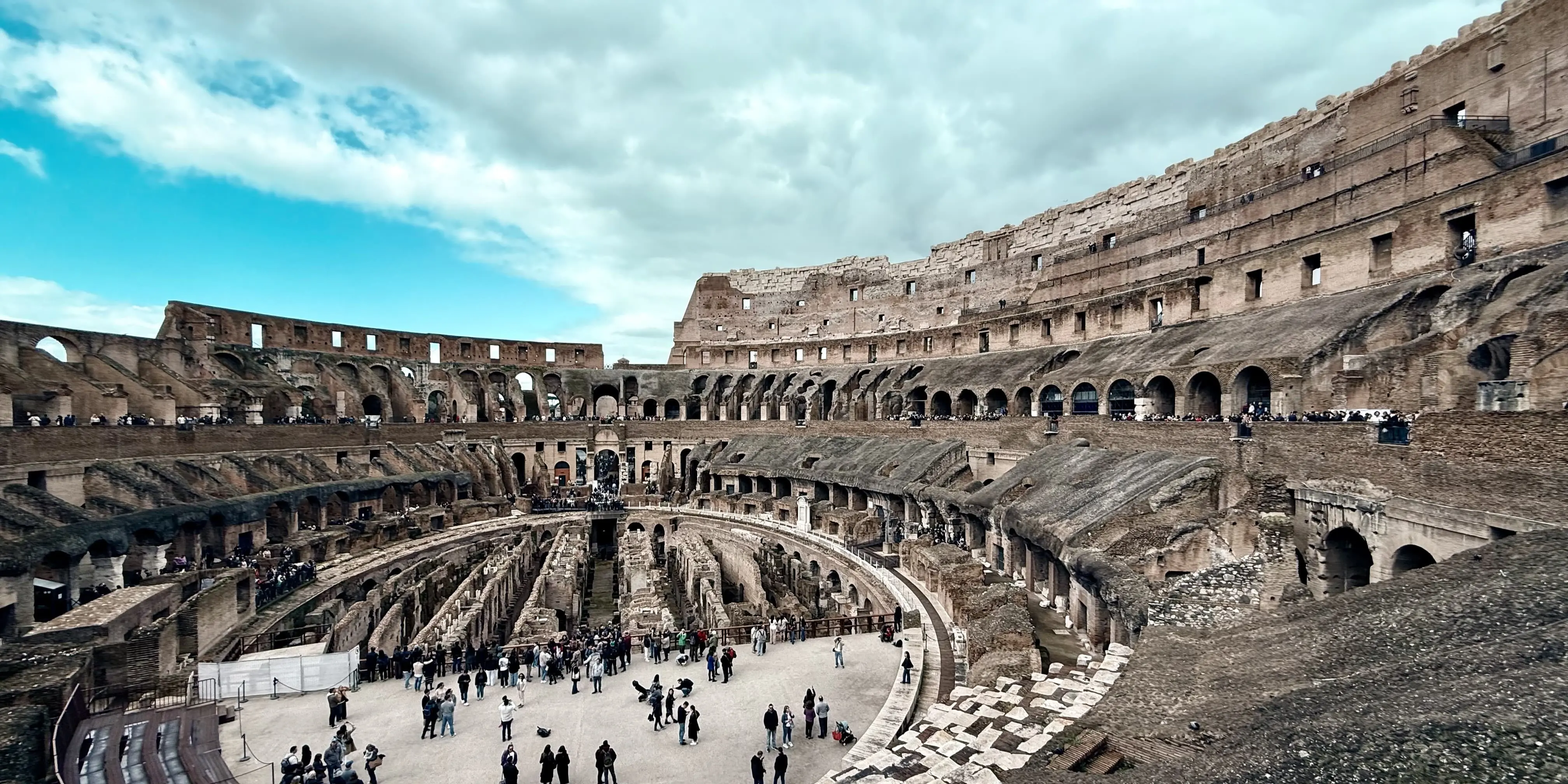
In March 2025, I had the chance to live something that felt closer to a dream than a course requirement. As part of my global capstone for the MBA program, I joined a select cohort of students to explore the intersection of luxury, innovation, and global business in Italy. This wasn’t just about coursework—it was a journey through Milan, Rome, Bologna, Modena, and Lake Como, studying world-renowned brands like Pagani, Lamborghini, and Bvlgari up close.
The mission
Our mission? To dive deep into how ultra-luxury brands navigate a rapidly evolving marketplace shaped by data, design, and digital immersion. Alongside my teammates, I worked on a project exploring potential collaborations between Pagani and Bvlgari—a fusion of hypercar craftsmanship and haute couture elegance. The result was a strategic blueprint for a luxury product that lived at the intersection of tradition and futurism, backed by insights from our in-person interactions and lightning lectures with professors from POLIMI.

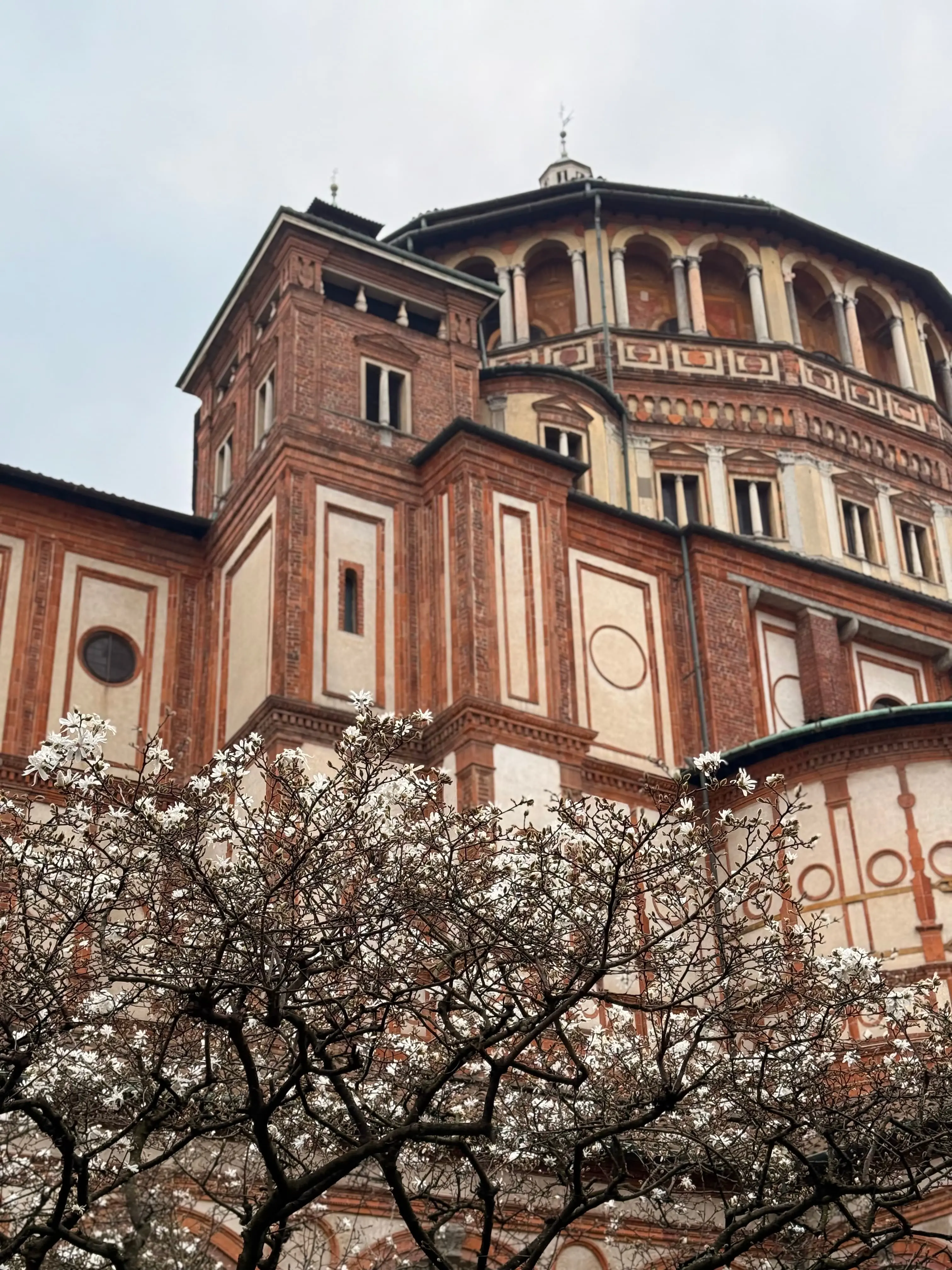
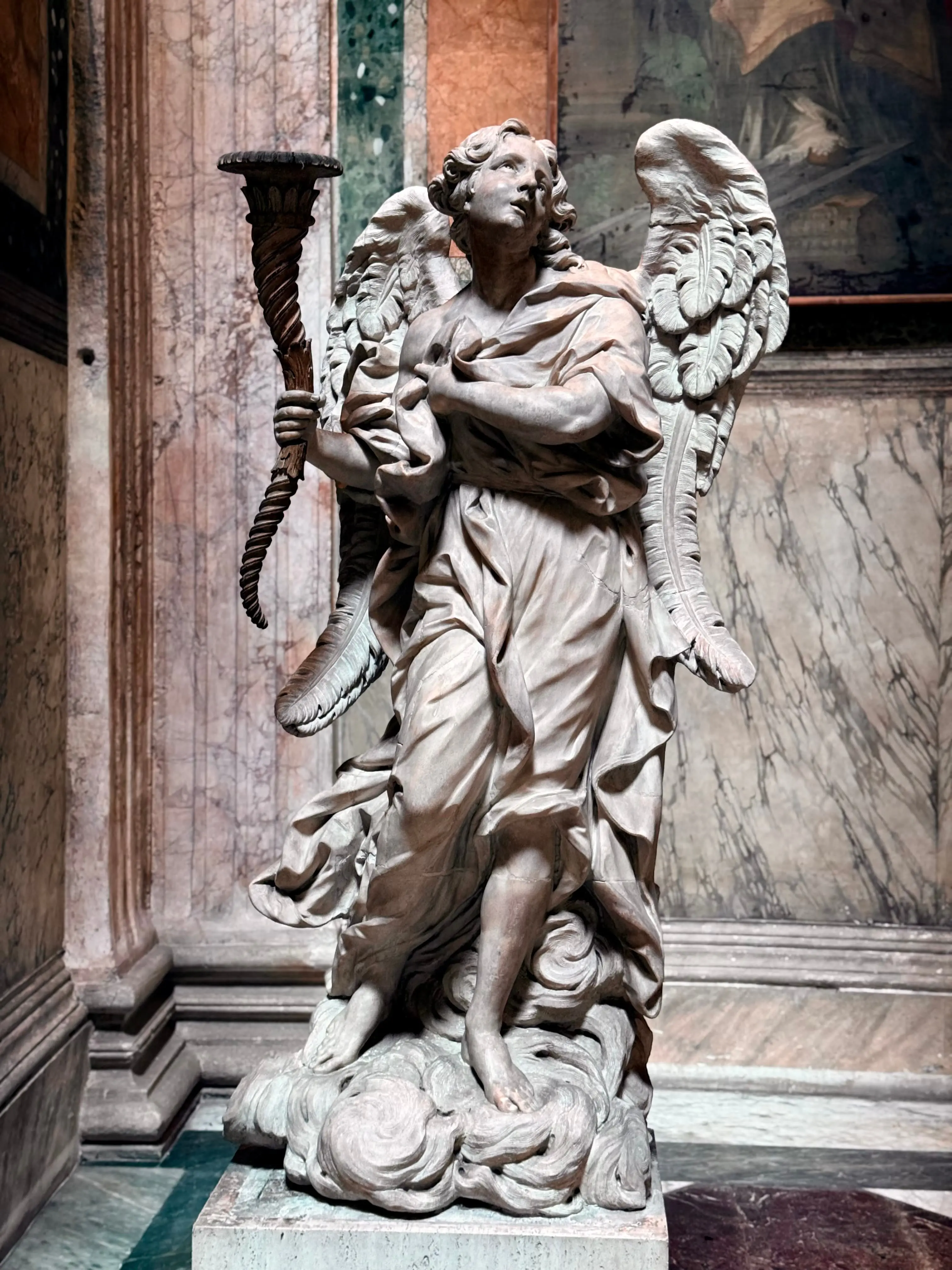
But what I took back home was more than brand strategies or business frameworks. Being the youngest in the group, I unexpectedly found myself surrounded by accomplished peers who treated me not just as a teammate—but as family. These weren’t just classmates; they became lifelong friends. People of incredible character, wisdom, and generosity—who welcomed me with warmth, encouraged me to speak up, and valued my perspective. We learned together, explored together, and built bonds that no slide deck could capture.
The course gave us tools, lectures, and real-world insight—but what made it unforgettable was the humanity stitched into every moment. Standing inside Pagani’s factory, watching artisans work with carbon fiber as if it were silk; sharing laughs over late-night gelato runs in Rome; catching our breath at the serenity of Lake Como—all of it shaped not just my understanding of luxury innovation, but my appreciation for connection, culture, and curiosity.
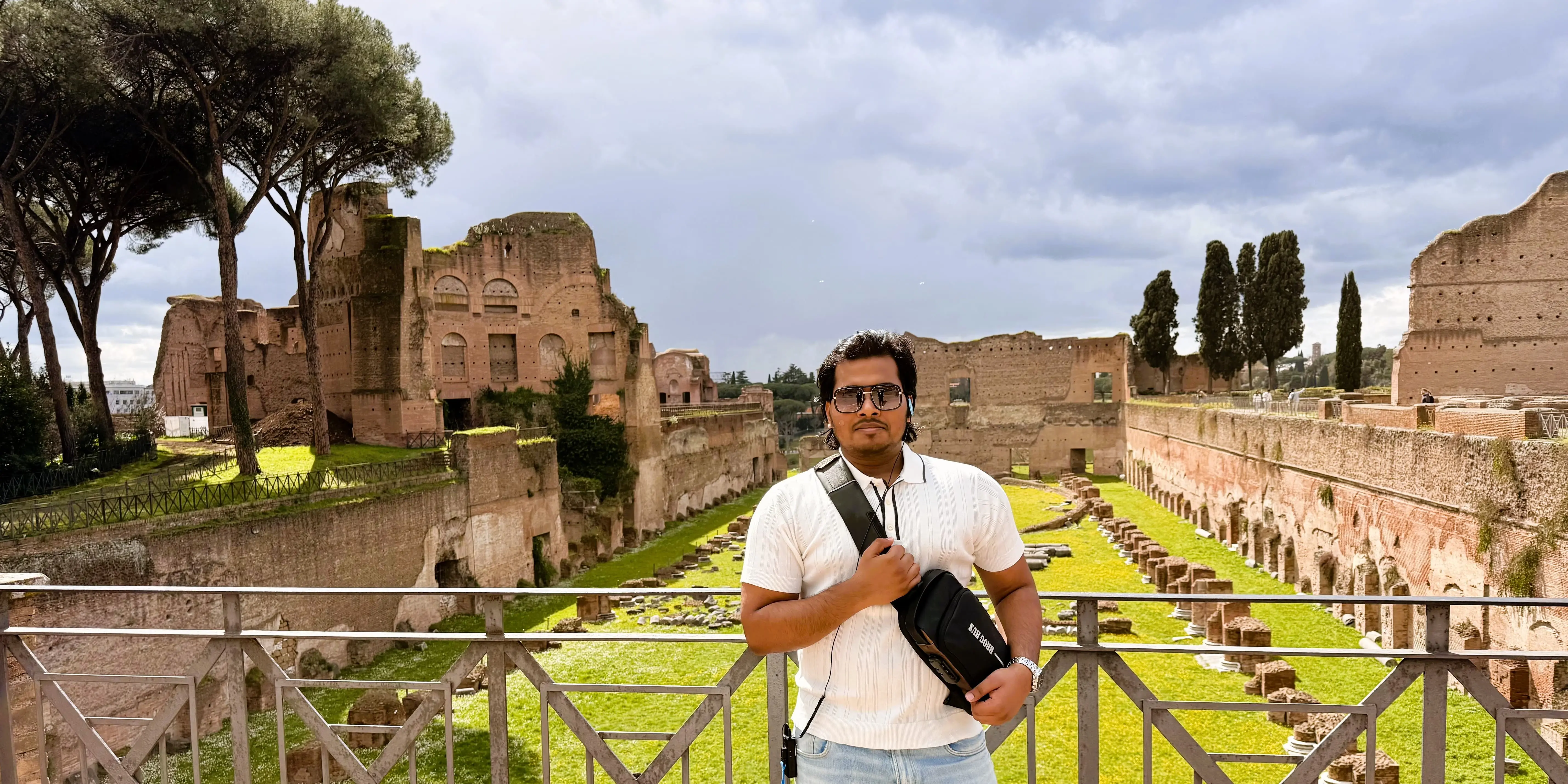
This experience taught me that true innovation isn't always about being the smartest in the room—it’s about listening deeply, building together, and bridging worlds. Italy gave me that—and so much more.
Building the Future: One Project, One Breakthrough at a Time
Type
Resident
Date
2024-2025
Role
Full-Ride Scholar
Where
Hybrid, New York City
In the fall of 2024, I embarked on an intense thirteen-month journey as a Software Engineering Resident with Headstarter—an elite residency program that combined the technical rigor of Silicon Valley with the creative ambition of student-led innovation. As a full-ride scholar, I joined a competitive cohort of global developers, mentored by engineers from Apple, Two Sigma, and other industry giants. Each week, I invested over 15 hours balancing mentorship, collaboration, and personal creativity to design and ship 14 full-stack and AI-driven projects.
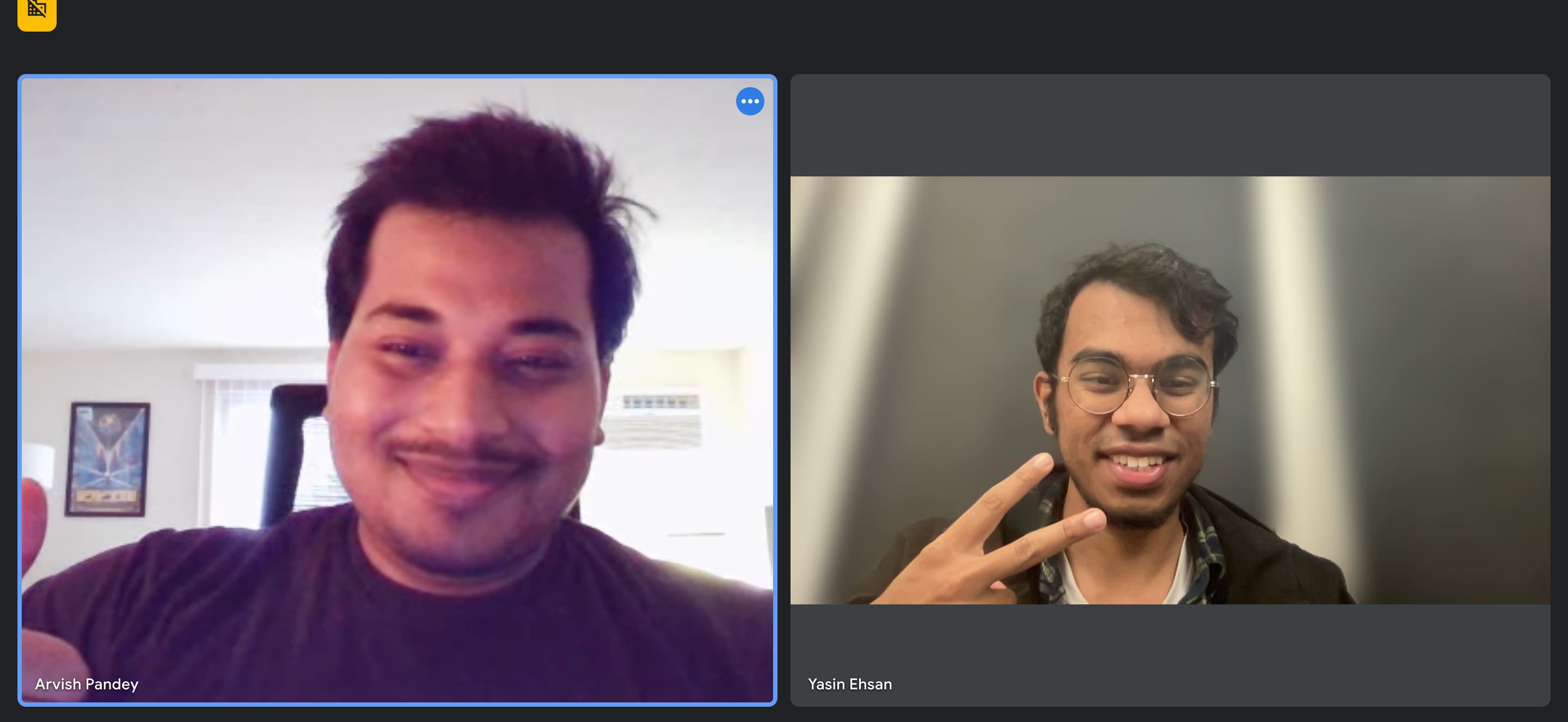
From replicating core functionality of platforms like Vercel and TikTok to building prediction models that detected brain tumors and financial fraud, I found myself engineering solutions that once felt unreachable. One project trained on 1.2 million entries—a churn prediction engine tailored for real-world SaaS clients—became a benchmark for the entire program. And yet, the numbers were never the real story. It was the craftsmanship, the debugging at midnight, and the responsibility I felt to build software that mattered.
This experience was born from a moment I never expected. Before the residency even began, I volunteered my time to develop an AI-powered management system for a family-run restaurant in Pennsylvania. They were so impressed they offered compensation. I declined. Instead, they wrote a recommendation that secured me this scholarship. That sequence of events—the goodwill, the grit, and the serendipity—sparked a deeper calling. I was no longer just building projects; I was earning trust, solving real problems, and discovering a part of myself I hadn’t yet met. Working in private pods, I received tailored feedback from my mentor—an engineer from Two Sigma—who reviewed code with precision and expected nothing short of professional excellence. We held weekly strategy sessions, presented final demos for each build, and constantly iterated on product thinking, technical execution, and personal growth. The process wasn’t just about “shipping fast.” It was about thinking deeply and refining relentlessly.
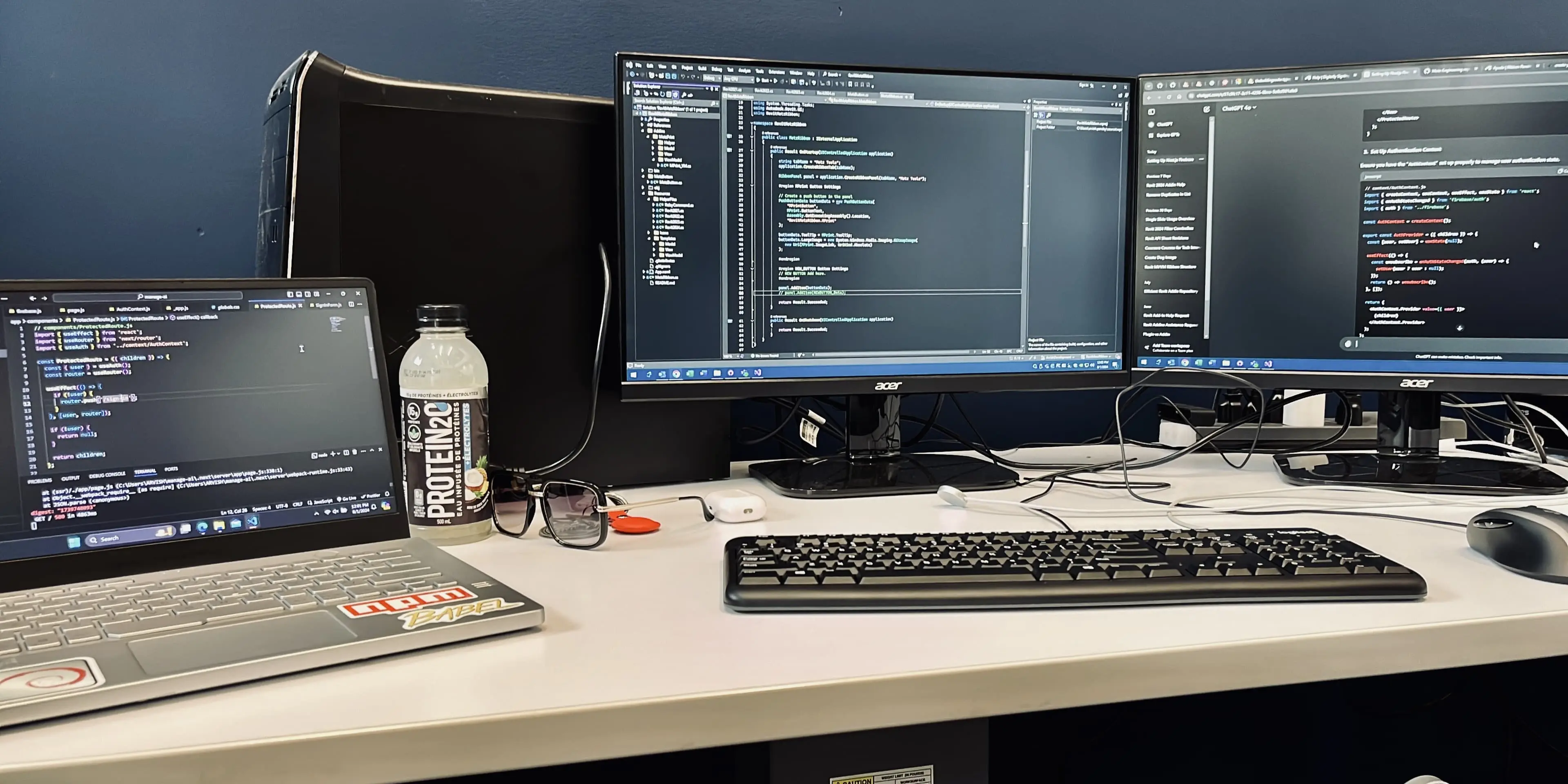
What set Headstarter apart was not the tech, but the culture. A Discord community with thousands of aspiring engineers became a pressure-cooker of ideas and camaraderie. Whether you aimed for FAANG or were driven to found your own startup, everyone was building toward something bold. I led a team project, contributed to hackathons, and wrote reflections for each milestone. Through this, I learned to synthesize feedback, mentor peers, and navigate complexity with calm and clarity. By the time the residency concluded, I had a new mental blueprint. I didn’t just complete 14 projects—I proved to myself that I could create at the edge of ambition. Headstarter gave me more than skills; it redefined what I thought was possible. And that redefinition… was just the beginning.
Rediscovering My Heritage
Type
Abroad
Date
2023-2024
Role
Honors
Where
Lucknow, India
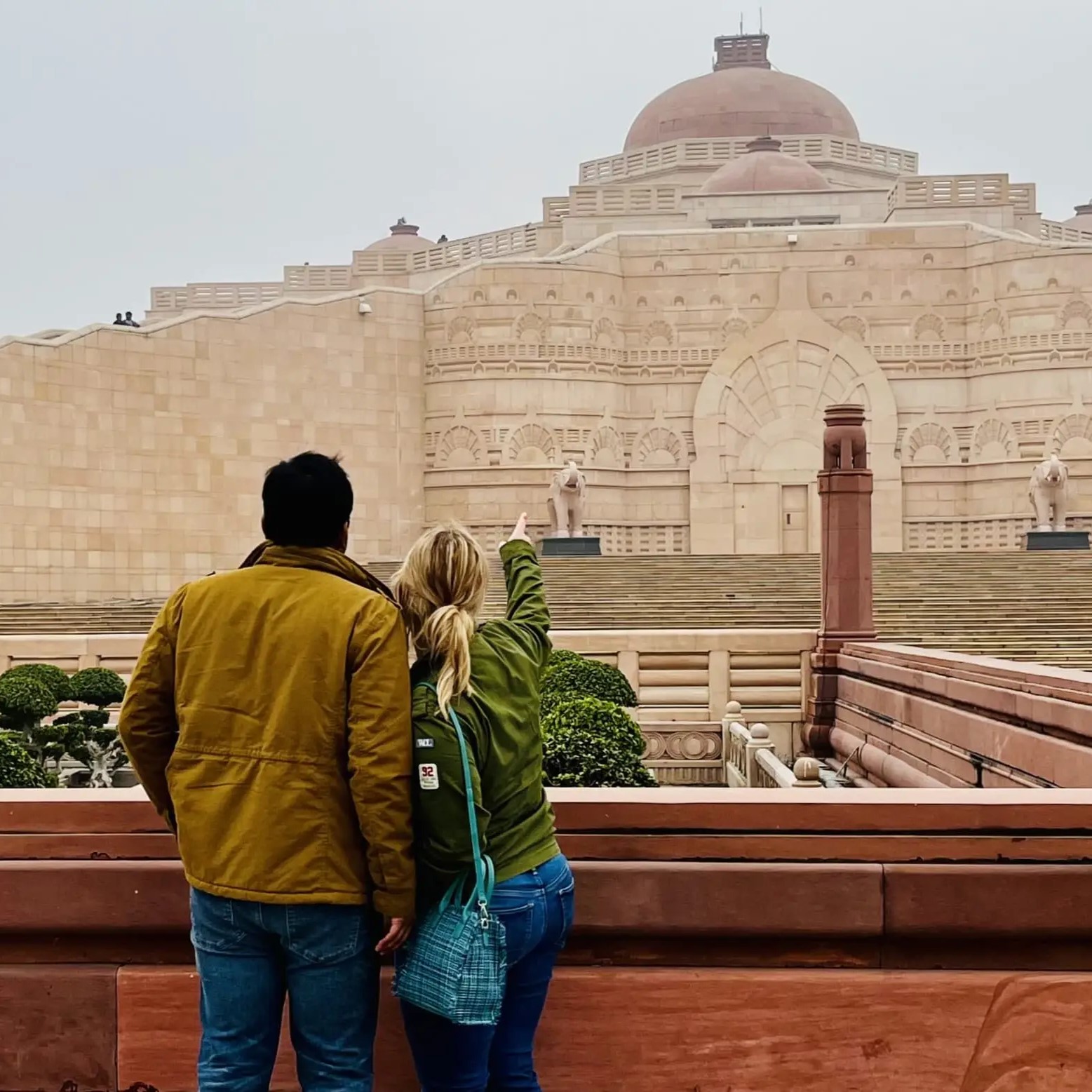
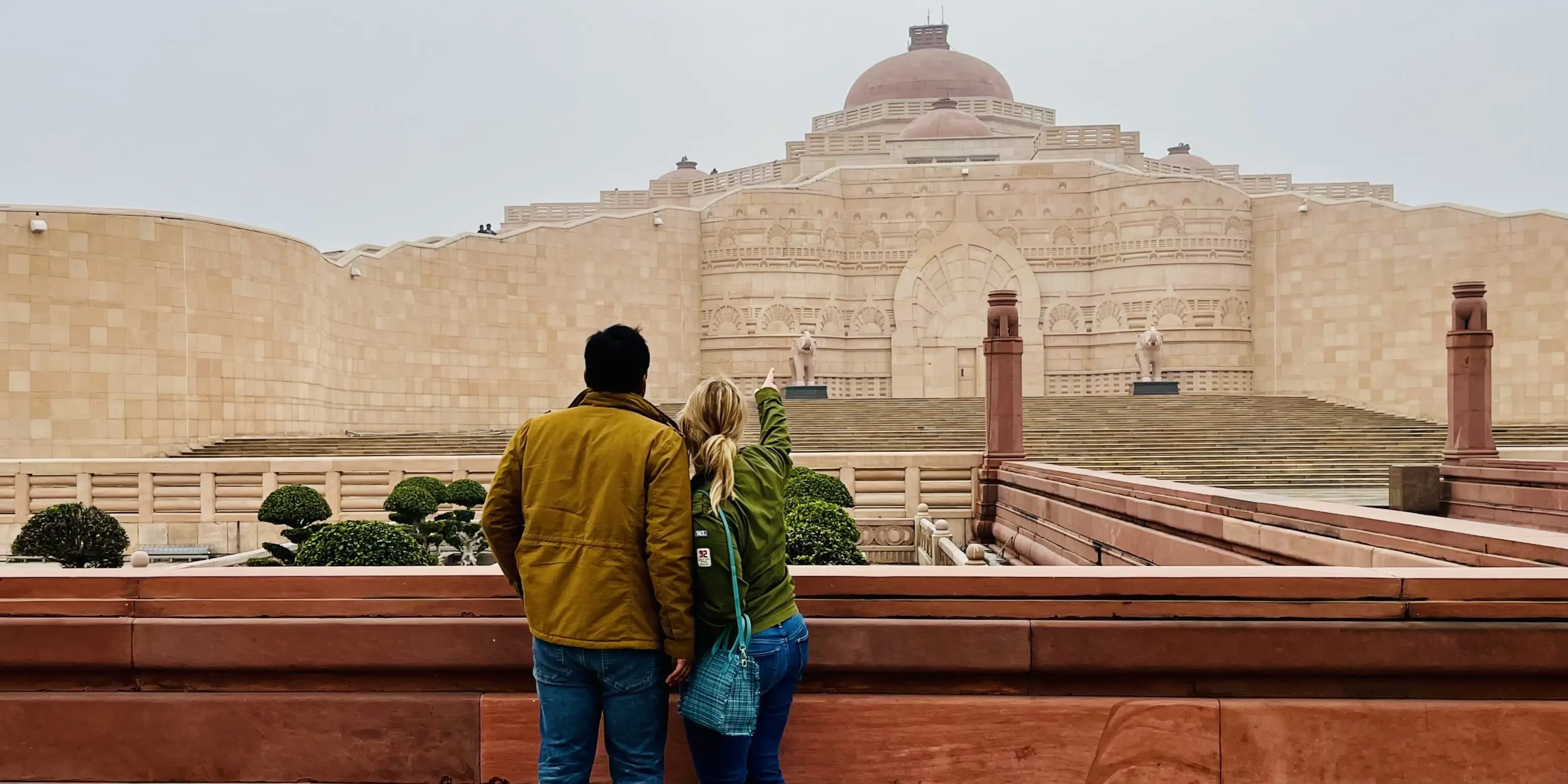
I am an international student from Lucknow, India, studying Computer Science in the United States, and my journey has been a blend of excitement, growth, and occasional homesickness. After three years immersed in American culture and academics, I eagerly anticipated my return to India during the Winter Break of 2023. This trip was not just about reuniting with my parents but also sharing my heritage with my Western friends. The idea emerged during a FaceTime call when my partner expressed a desire to visit India, prompting my father to book tickets immediately.
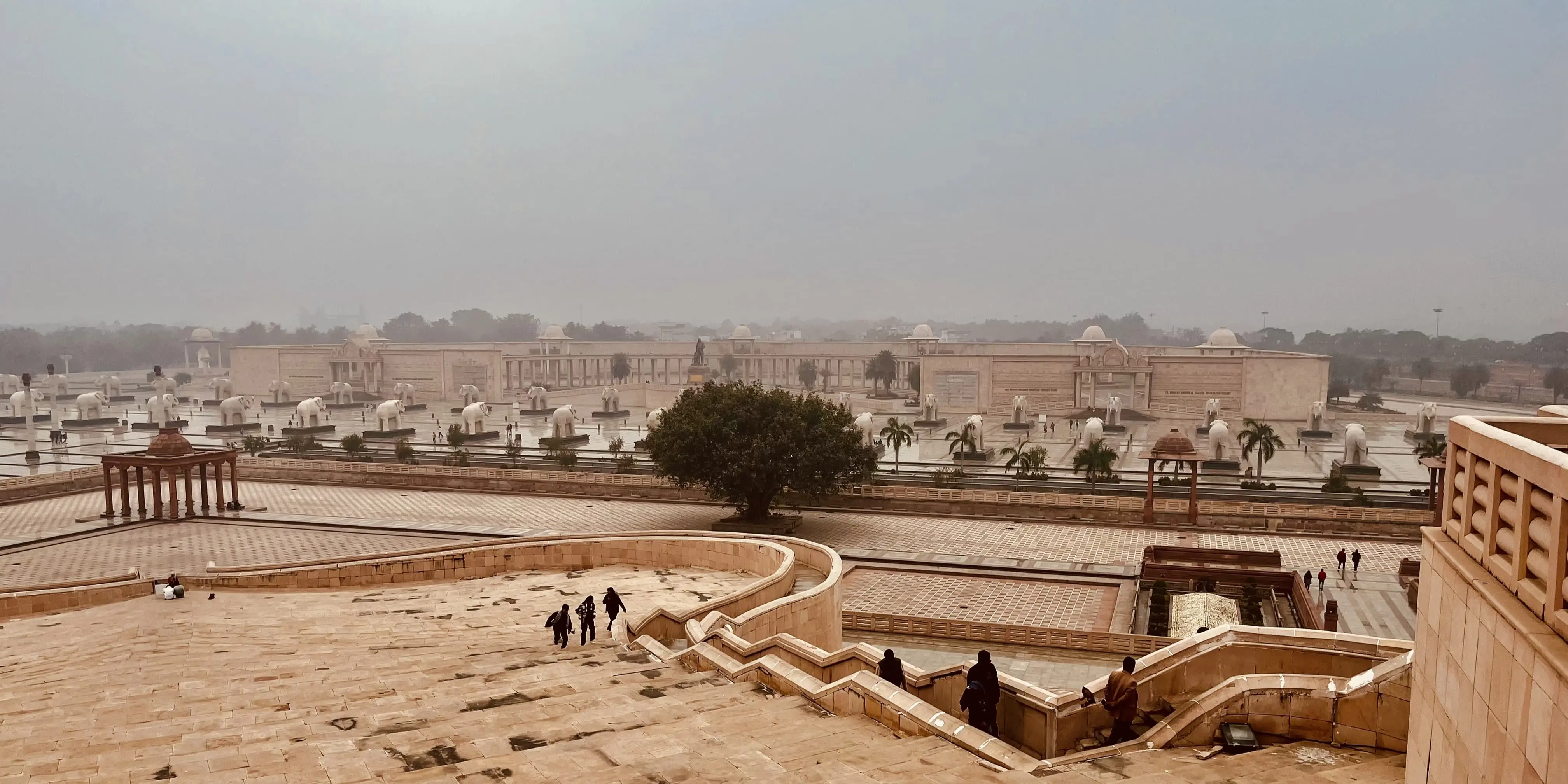
The trip
Our journey began with a long flight from Dulles to New Delhi. For my friends, it was their first time in India, and the vibrant chaos of the city was both exhilarating and overwhelming. One of the first places I took them was my home. The warmth and affection with which my parents welcomed them set the tone for the rest of the trip.

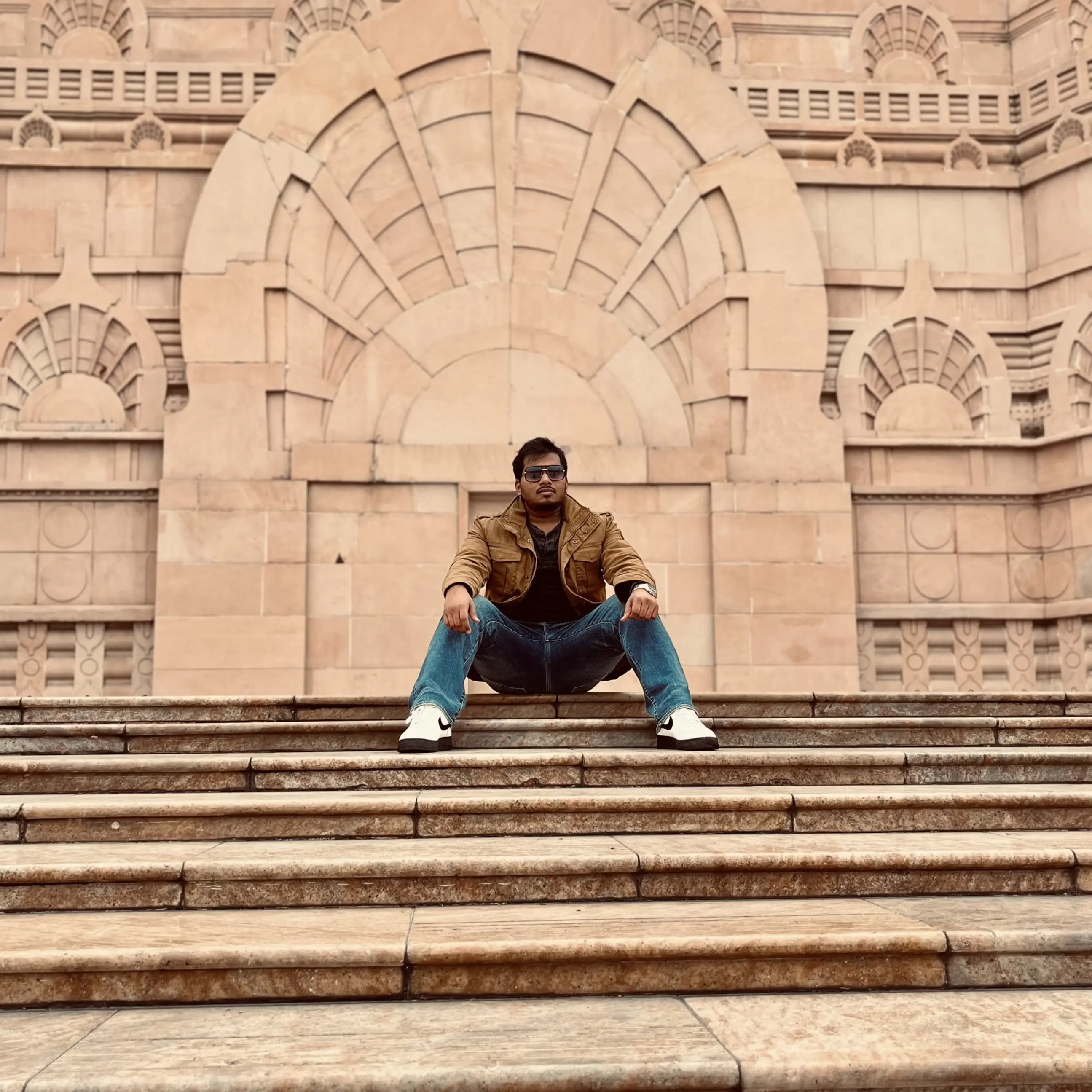
This experience allowed me to rediscover my own culture through another perspective, deepening my appreciation for my heritage. Watching my friends navigate the bustling streets of Lucknow, trying to learn the language, relish Indian cuisine, and marvel at the historical landmarks made me realize the richness of my cultural background. Visiting my high school was a nostalgic trip down memory lane. My partner was fascinated by the different educational system and the discipline ingrained in our school culture. Exploring the historical and cultural landmarks of Lucknow left my friends spellbound. The tranquility of the Hanuman Setu Temple and the rituals performed there offered a stark contrast to the city's hustle and bustle.
Reflecting on this trip, I realize how it has enriched my life. For me, it was a journey of rediscovery, seeing my city, my culture, and my traditions through a fresh perspective.

Navigating Growth and Leadership
Type
Part-time
Date
2022-2023
Role
Teaching Assistant
Where
University of Cincinnati
In the fall of 2022, I began a transforming adventure as a Teaching Assistant (TA) for the ENED (Engineering Design and Thinking) course at the University of Cincinnati. Initially seen as a chance to expand my work experience, this role turned out to be a profound learning opportunity that significantly impacted my personal and professional development. As a TA, I was not only responsible for evaluating assignments but also facilitating class discussions, leading mentoring sessions, and assisting students with their final projects.
One of the most memorable projects involved guiding students through the construction of an autonomous object retrieval robot. This hands-on experience allowed me to improve my communication skills, as I explained complex engineering concepts in a way that first-year students could grasp. Additionally, I gained a deeper appreciation for collaborative learning, witnessing firsthand the value of diverse perspectives in problem-solving. Mentoring students was a particularly rewarding aspect of my role. Many faced the same challenges I had as a freshman, and I was able to help them navigate these obstacles and gain confidence. This experience reinforced my understanding of the course material and honed my leadership skills.
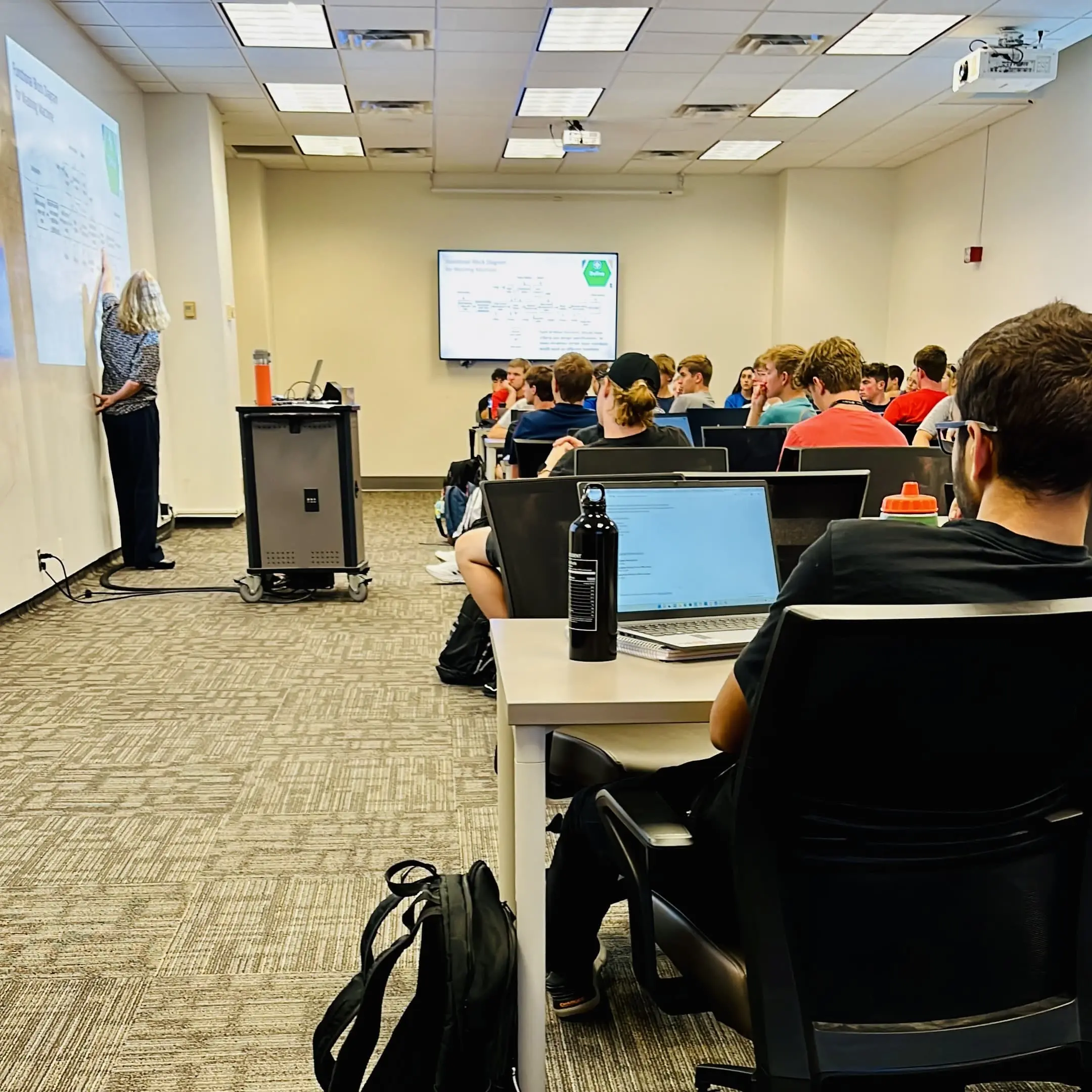
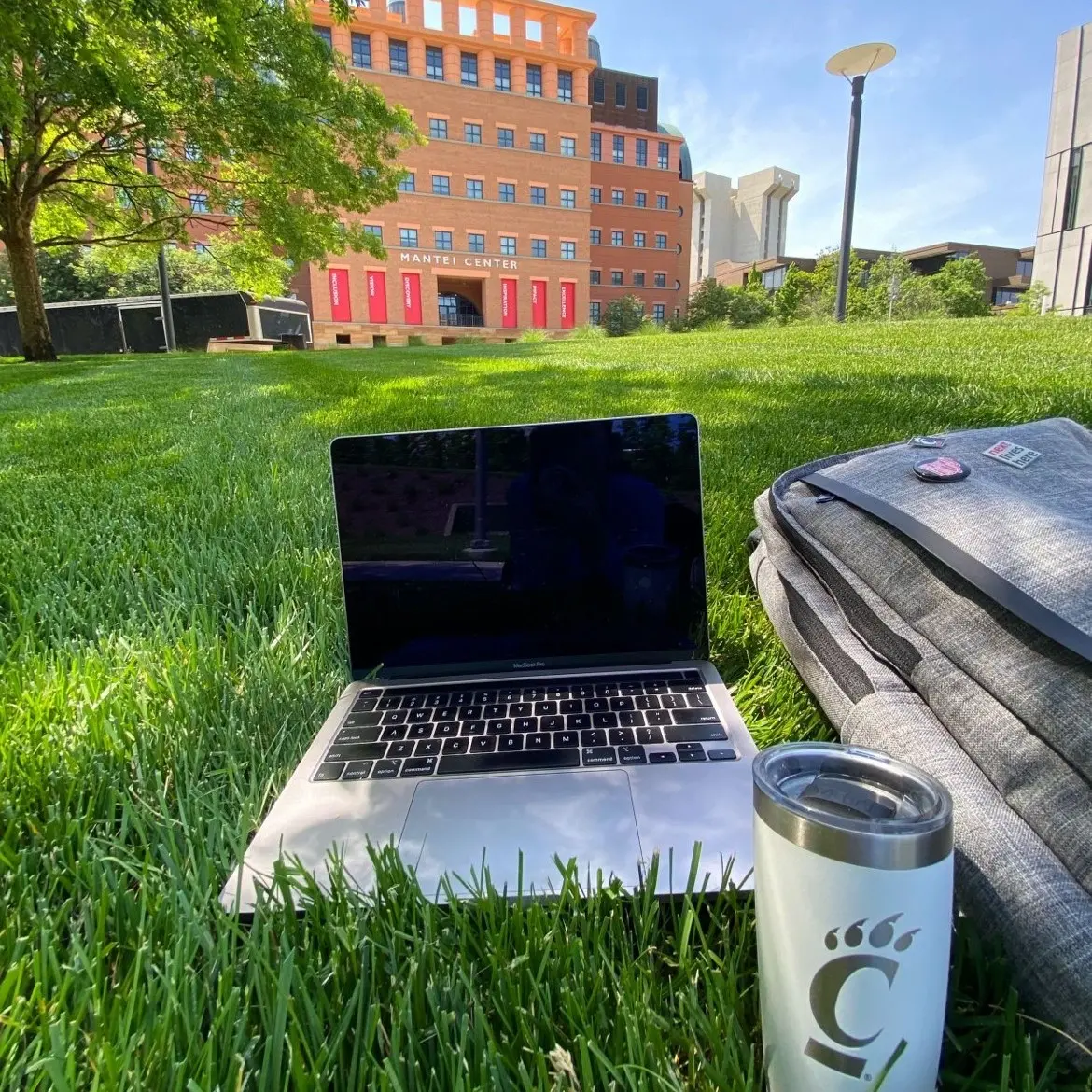
Reflecting on my time as a TA, I recognize the essential skills I developed—effective communication, collaboration, and mentorship—which are crucial for any leadership role. As I continue my studies in the ACCEND program, I am more confident in bridging the gap between technical expertise and business acumen. This experience has also sparked an interest in possibly returning to academia as an instructor, further contributing to the engineering community. My time as a TA for the ENED course was a pivotal experience that has profoundly influenced my career aspirations and personal growth.
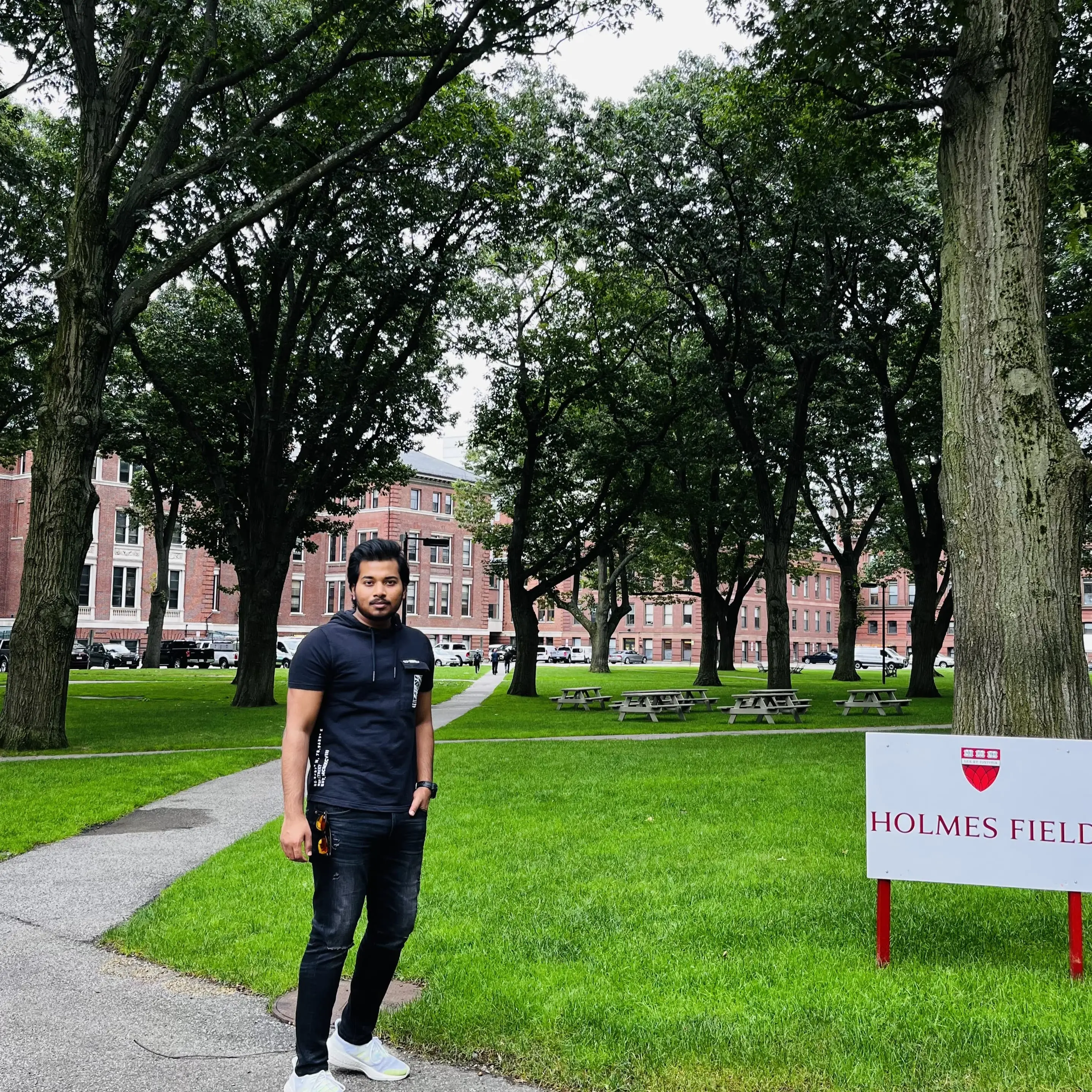
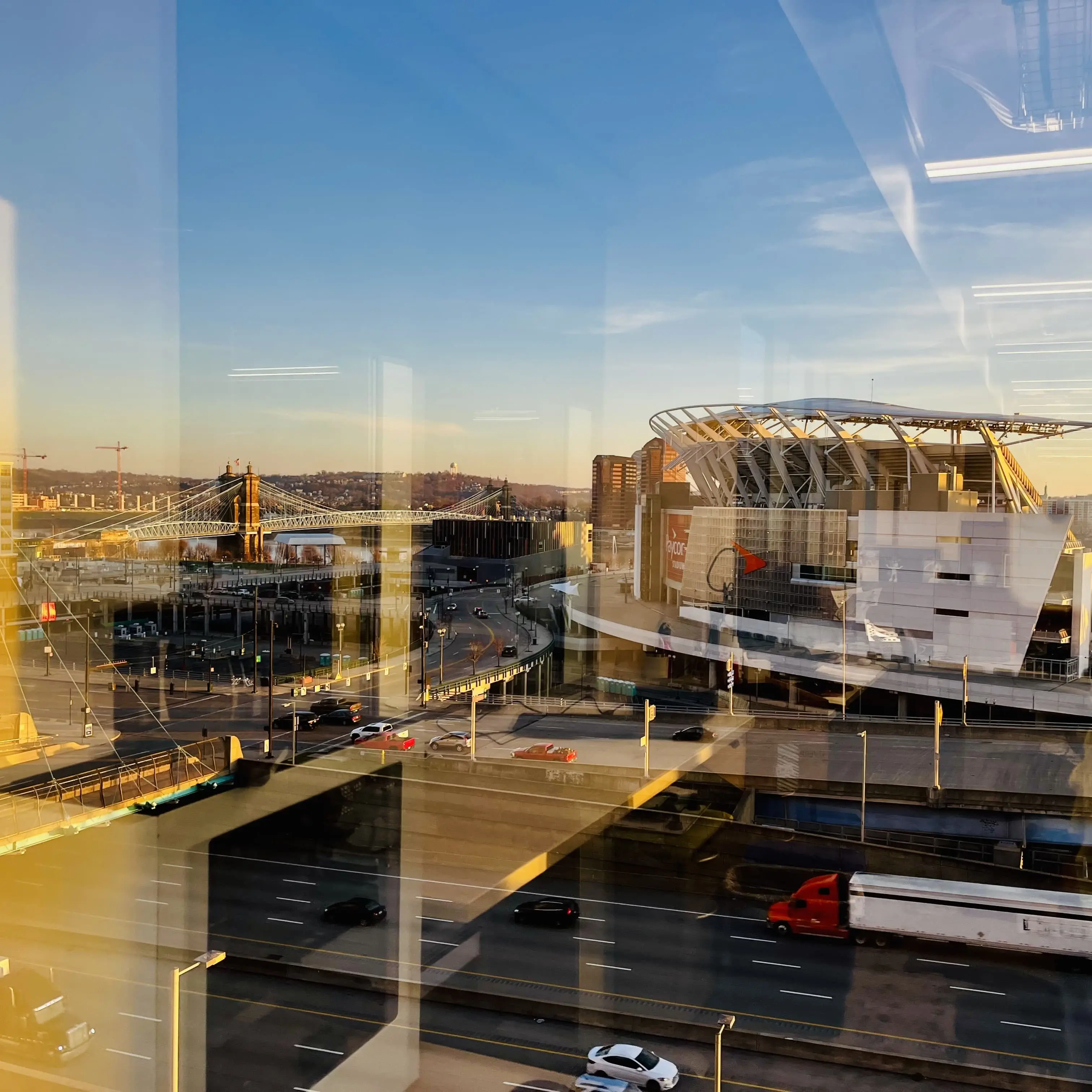
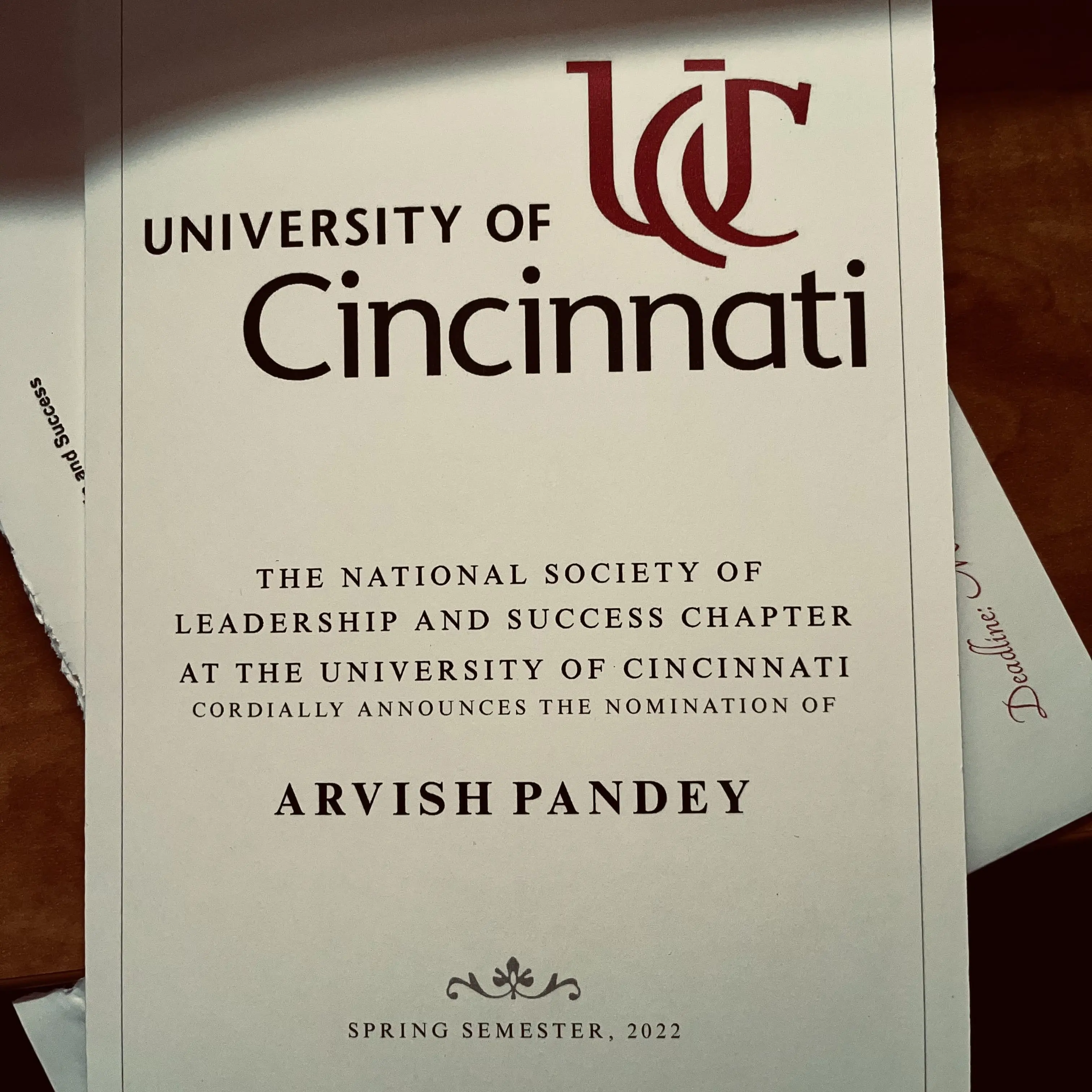
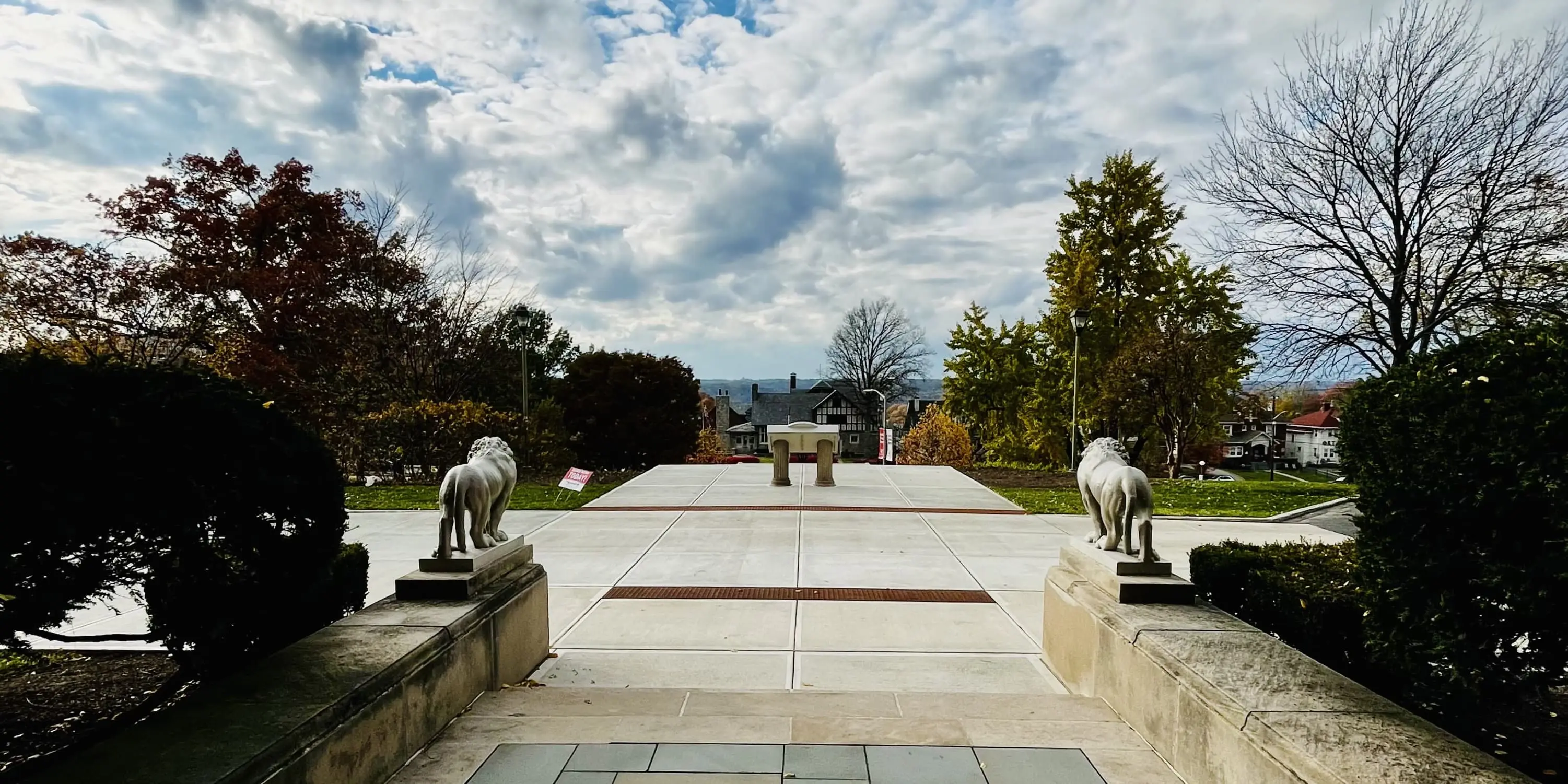
Year in review
Freshman Year
Type
3D model
Date
27.05.2024
Role
Product designer
Client
Editorial
Lorem ipsum dolor sit amet consectetur adipisicing elit. Voluptates sequi laudantium quasi beatae, modi, explicabo quo voluptas quae enim culpa ipsum, quas nisi doloribus! Id aliquam error corrupti inventore sapiente. Lorem ipsum dolor sit amet consectetur adipisicing elit. Voluptates sequi laudantium quasi beatae, modi, explicabo quo voluptas quae enim culpa ipsum, quas nisi doloribus!
The challenge
Lorem ipsum dolor sit amet consectetur adipisicing elit. Voluptates sequi laudantium quasi beatae, modi, explicabo quo voluptas quae enim culpa ipsum, quas nisi doloribus! Id aliquam error corrupti inventore sapiente.
My solution
Lorem ipsum dolor sit amet consectetur adipisicing elit. Voluptates sequi laudantium quasi beatae, modi, explicabo quo voluptas quae enim culpa ipsum, quas nisi doloribus! Id aliquam error corrupti inventore sapiente. Voluptates sequi laudantium quasi beatae, modi, explicabo quo voluptas quae enim culpa ipsum.
Client's feedback
Lorem ipsum dolor sit amet, consectetuer adipiscing elit, sed diam nonummy nibh euismod tincidunt ut laoreet dolore magna aliquam erat volutpat. Ut wisi enim ad minim veniam, quis nostrud.
Sophomore Year
Type
AI images
Date
30.05.2024
Role
Prompt creator
Client
Editorial
Lorem ipsum dolor sit amet consectetur adipisicing elit. Voluptates sequi laudantium quasi beatae, modi, explicabo quo voluptas quae enim culpa ipsum, quas nisi doloribus! Id aliquam error corrupti inventore sapiente. Lorem ipsum dolor sit amet consectetur adipisicing elit. Voluptates sequi laudantium quasi beatae, modi, explicabo quo voluptas quae enim culpa ipsum, quas nisi doloribus!
The challenge
Lorem ipsum dolor sit amet consectetur adipisicing elit. Voluptates sequi laudantium quasi beatae, modi, explicabo quo voluptas quae enim culpa ipsum, quas nisi doloribus! Id aliquam error corrupti inventore sapiente.
My solution
Lorem ipsum dolor sit amet consectetur adipisicing elit. Voluptates sequi laudantium quasi beatae, modi, explicabo quo voluptas quae enim culpa ipsum, quas nisi doloribus! Id aliquam error corrupti inventore sapiente. Voluptates sequi laudantium quasi beatae, modi, explicabo quo voluptas quae enim culpa ipsum.
Client's feedback
Lorem ipsum dolor sit amet, consectetuer adipiscing elit, sed diam nonummy nibh euismod tincidunt ut laoreet dolore magna aliquam erat volutpat. Ut wisi enim ad minim veniam, quis nostrud.
Pre-Junior Year
My third year at the University of Cincinnati was loaded with new experiences, challenges, and opportunities. This year came with a variety of activities that increased my academic experience, career development, and personal life.
The fall of 2023 was a significant moment for me, as I began a semester-long internship in Cincinnati. This opportunity came with a considerable responsibility for software development. It was a difficult undertaking that needed me to utilize a self-starter approach in a real-world situation while also demanding leadership and professional traits that I had to rapidly adapt to and improve.
Working on the project from inception to deployment taught me how to manage my time properly, report progress to my supervisors, and fix difficulties swiftly. This event taught me the value of self-reliance and initiative. I also learned a lot about how to operate in a team and how important each member's input is to the success of the project. This was also the semester in which I was officially admitted to the MBA program at the Carl H. Lindner College of Business via the ACCEND program. Looking at the potential schedule for my future semesters triggered a variety of feelings, but thrill stood out. The excitement of pursuing something completely different, and the fact that I will graduate twice in one semester! I also got admitted into the prestigious University Honors Program, making me part of a community that will help me pave a stronger foundation for my present and future.
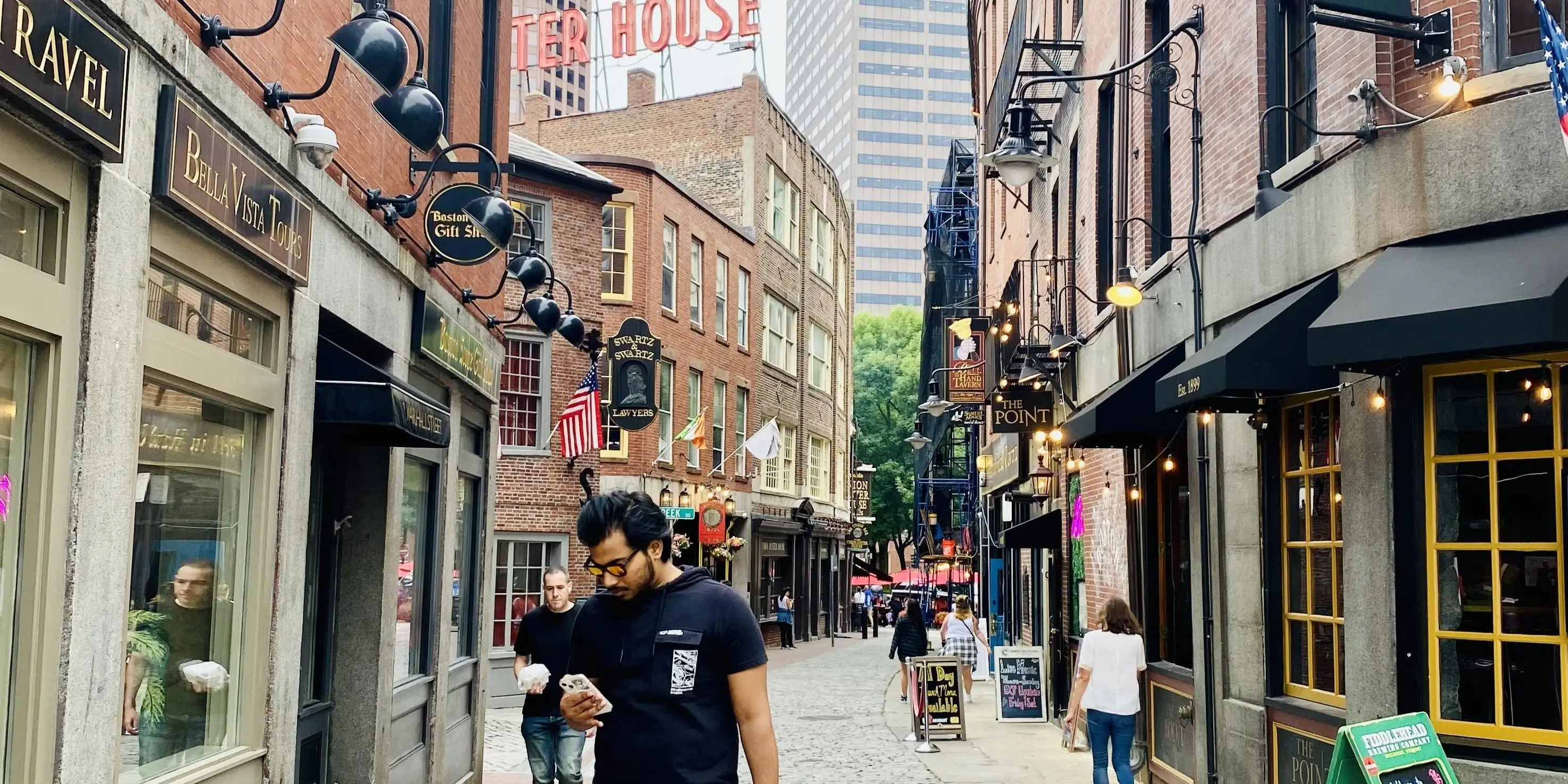
During the winter break, I had the pleasure of taking my American friends to my hometown of Lucknow, India. This trip was a combination of cultural exchange and personal joy, as I experienced Christmas with my parents and friends in India. Sharing my culture, traditions, and the liveliness of my city with my friends was an extremely rewarding experience. We visited temples, enjoyed home-cooked meals, took part in numerous cultural celebrations, and shopped a lot. This journey opened my friends to a different side of the world, deepening their awareness and appreciation for Indian culture. For me, it was an opportunity to reconnect with my roots and see my city through new eyes. This cultural exchange created so many new memories that I will always cherish.
The spring semester of 2024 was academically enriching and stimulated my creative appetite. One of the highlights was taking the class - Introduction to Greek History. This course was extremely exciting and was one of the classes that I made sure I never missed. Every lecture was fascinating and the professor made the entire course feel like a Netflix series. In addition to that class I decided to diverse my experience more and enrolled in a woodworking class. This hands-on experience was a refreshing break from my usual technical coursework. This class of 5 engineering guys (coincidence?) took place on the VPC Campus under a really awesome professor who kept us hyped up all the time and gave us occasional Final Destination references! I built a walnut-poplar shaker-style end table and did a little custom profiling on it. This class left me extremely energized and sucked all the stress out of my life. This project was immensely satisfying as it combined creativity, precision, and craftsmanship. The skills I developed in woodworking added a completely new dimension to my abilities.
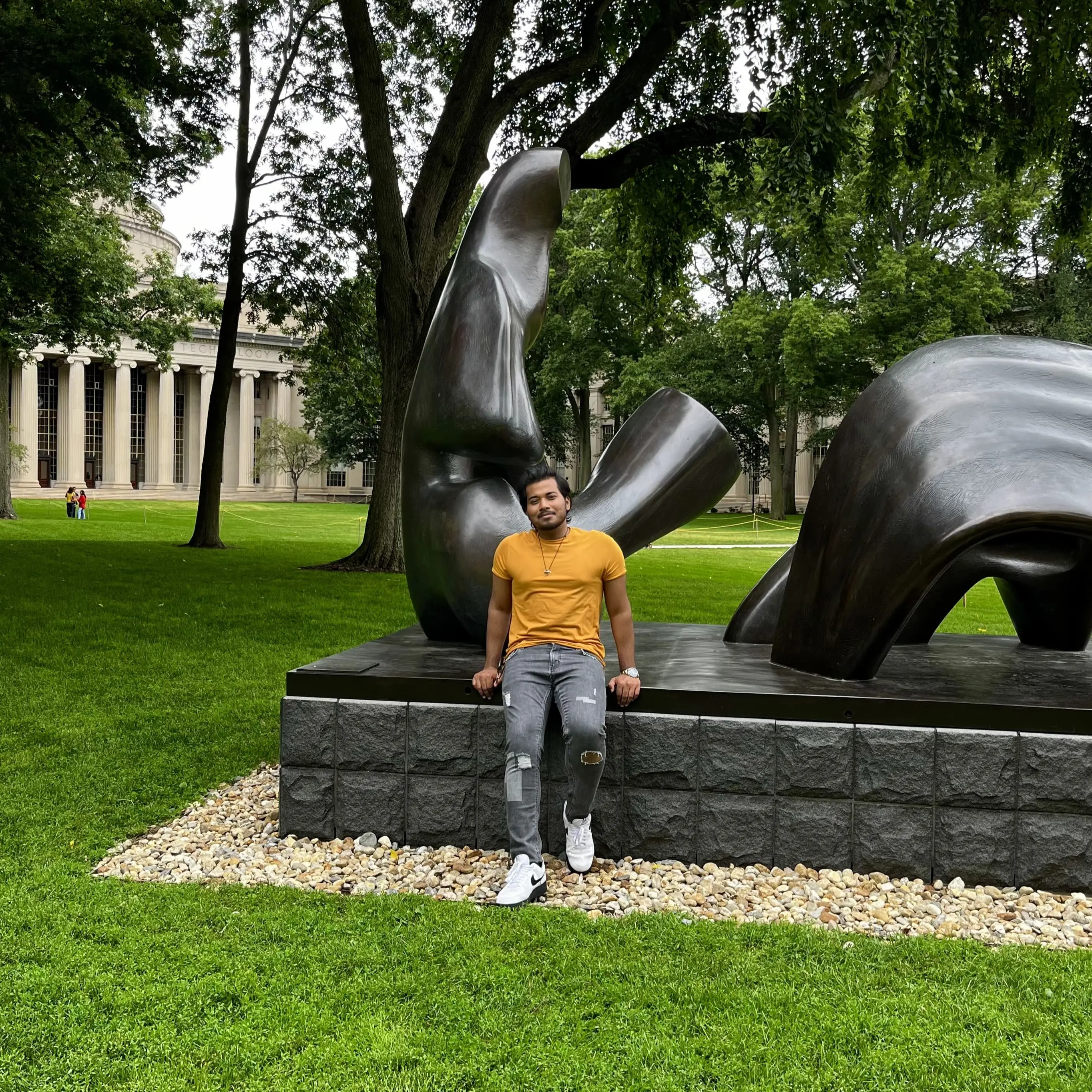
Spring 2024 also marked the beginning of my MBA program, with foundational classes in finance and accounting. These classes were challenging but really rewarding and most importantly thrilling. They gave an excellent foundation in business principles and financial management, which proved critical to my overall development. The coursework was challenging, but it was fascinating to learn about the complexities of financial markets, corporate finance, and accounting practices. In addition to my academic interests, I discovered a new one: golf. I began playing golf as a recreational sport and discovered it to be an excellent way to relax and unwind. It made me realize all the fun in life beyond the four walls of the classroom. Despite the busy schedule, I maintained a strong academic performance and made it to the Dean’s List with a 4.0 in both my majors, which was a proud moment for me.
I'm now returning to the same firm for another semester-long internship, with the goal of starting and leading a new project. This time, I'm more confident and prepared, having learned from my past experience. This year was an eventful one spanning across multiple realms of personal growth.
Looking back, I feel grateful for both the opportunities and challenges that this year brought. They have prepared me for future pursuits and increased my resilience and adaptability. As I continue my journey at the University of Cincinnati, I am excited about all the possibilities that await me and am eager to take advantage of them all. This year really showed the importance of accepting varied experiences and the ongoing pursuit of knowledge and progress.
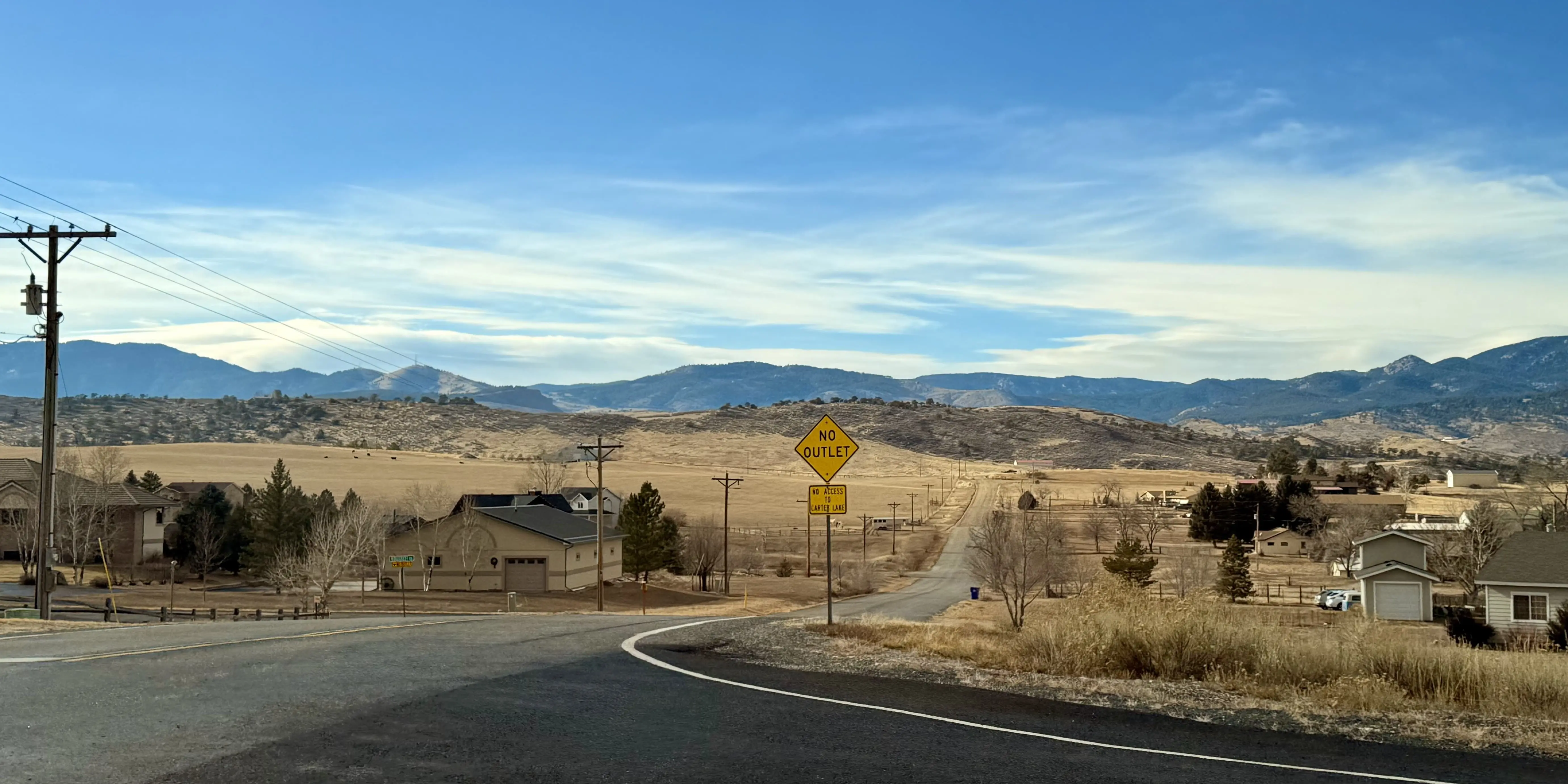
Junior Year
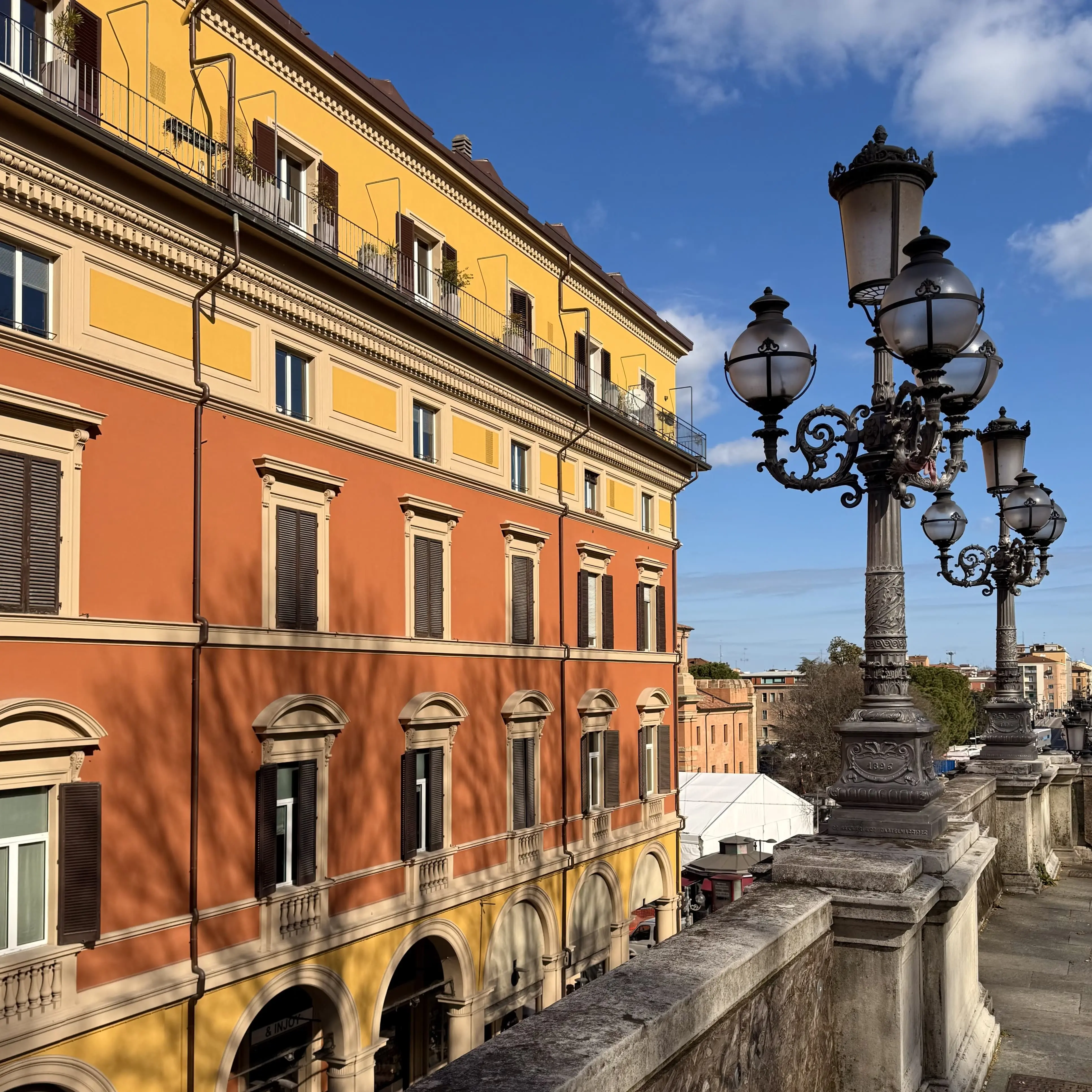
My fourth year at the University of Cincinnati unfolded not as a continuation, but as a recalibration—of ambition, of capacity, and of what it means to grow not just upward, but outward. It was a year where I juggled intense projects, traveled continents, challenged my own limits, and found meaning in places I didn’t expect. I entered this academic year with a sharper vision, but I leave it with something deeper: a new sense of alignment between who I am, what I create, and how I want to contribute to the world.
Fall began at full throttle. I had just been accepted as a full-ride scholar into the Headstarter Residency—a 13-month software engineering fellowship designed to test and grow high-performing technologists. Every week, I dedicated over 15 hours building full-stack and AI projects with mentors from Apple, Two Sigma, and beyond. The projects were complex, varied, and deeply purposeful—ranging from a brain tumor detection model that hit 98% AUC, to a fraud detection system trained on over 1.2 million data points. We didn’t just write code—we built solutions for real-world deployment. I learned not just about machine learning pipelines or model interpretability, but about resilience, focus, and the small daily wins that add up to breakthroughs.
And yet, amidst the technical intensity, it was the human connections that stood out. I collaborated in global teams, led project cycles, and had my code reviewed by industry giants. My mentor from Two Sigma pushed me constantly, and I learned how to defend my architectural decisions, explain my thinking, and iterate like a professional. What started as a residency turned into a rite of passage—not just into the industry, but into the person I was becoming: confident, curious, and conscious of the impact my work could carry.
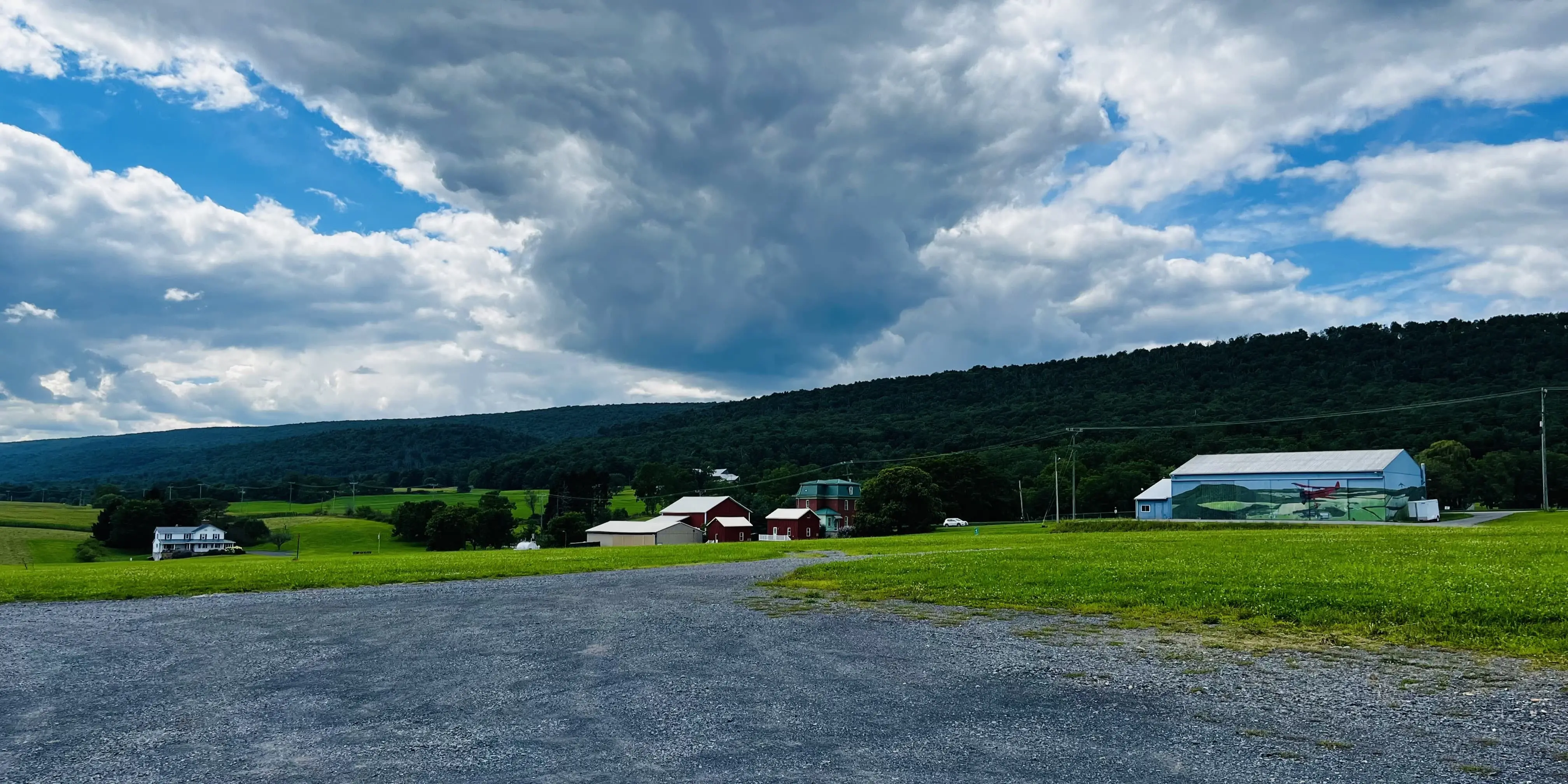
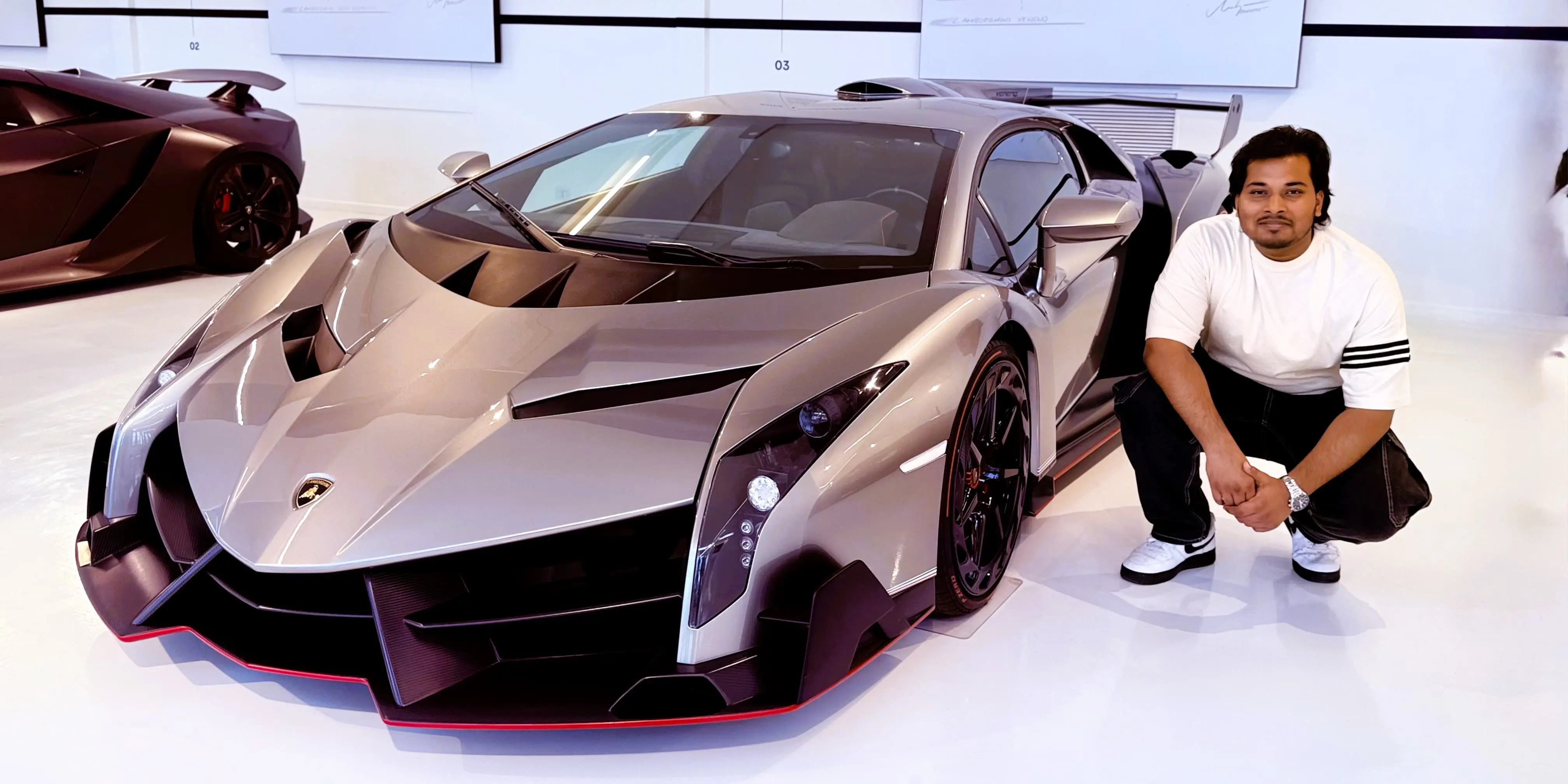
Parallel to this was my participation in INTB8001—Luxury Innovation: Metaverse. A hybrid course that fused classroom theory with international immersion, it culminated in a spring break study abroad trip to Italy, where we met with executives and design leaders from iconic brands like Bvlgari, Lamborghini, and Pagani. What I expected to be an academic capstone turned out to be something far more personal. I was the youngest member of the cohort, surrounded by professionals with deep experience and diverse worldviews. And yet, I wasn’t just welcomed—I was cherished.
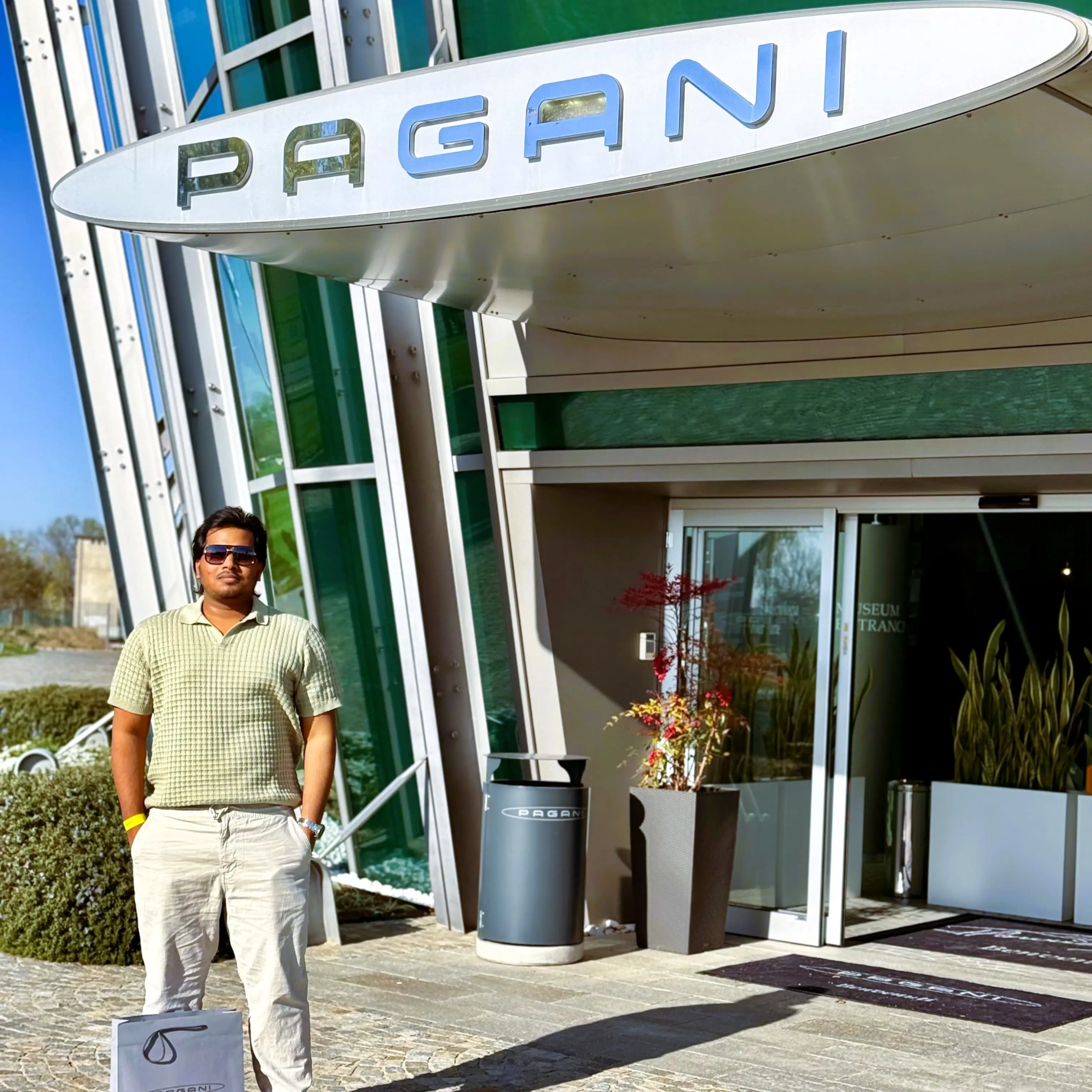
I made lifelong friends in Italy. Genuine, brilliant people who taught me as much about leadership and humility as the lectures did about brand strategy and innovation frameworks. Standing in the Pagani factory, watching artisans bend carbon fiber with reverence, I began to understand the soul of luxury—not as extravagance, but as precision, purpose, and timeless storytelling. We pitched collaboration strategies fusing heritage with high-tech, and through that, I discovered how deeply cultural insight and business innovation are intertwined. That realization—seeing Italian heritage and modern innovation not as opposites, but as partners—shifted how I now view technology. It’s not always about disruption. Sometimes, it’s about honoring what already works.
Back home, my academic journey took a sharp, thrilling turn. This was the semester I enrolled in Deep Learning, taught by Professor Jun Bai—one of the most intellectually honest and passionate instructors I’ve ever had. A PhD-level course taken jointly by undergrads, master’s students, and doctoral candidates, this class was the first to truly humble me. As someone who’s always had a natural grasp of computer science, most classes tend to feel more like confirmation than challenge. But this class kicked my butt—and I loved it.
I earned my first “B” in years, and I did so with a grin on my face. Because every lecture pushed me. Every homework made me think harder. Jun Bai managed a classroom of wildly diverse learners with clarity and empathy, and still never compromised the complexity of the subject. Through her, I saw that great teaching is an act of engineering in itself—balancing timing, tension, and scaffolding for different minds. It made me want to become a better learner and, perhaps someday, a better teacher.
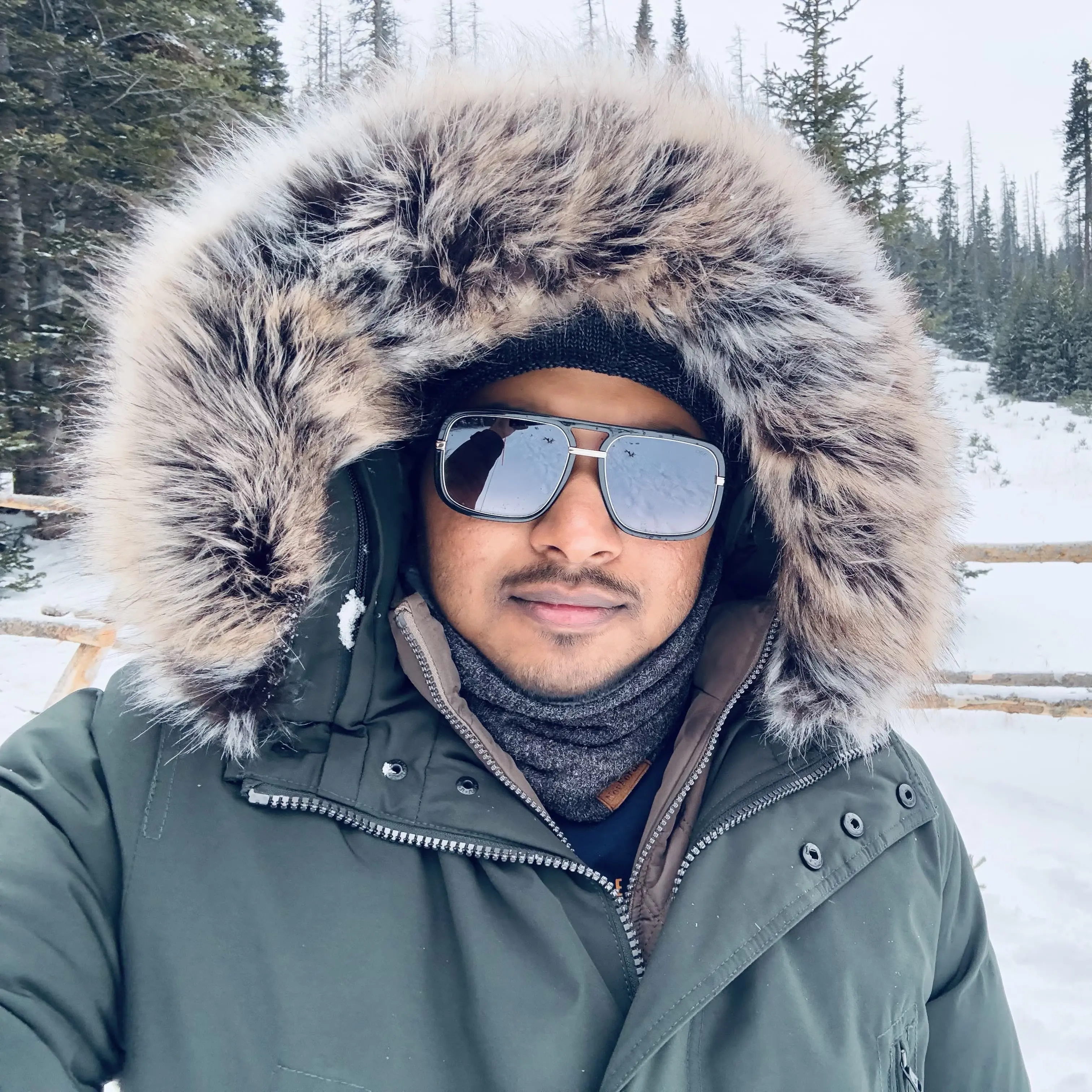
Outside of academics, I carved out space for exploration—literally. Over winter break, I traveled to Loveland, Colorado, my first-ever mountain range experience. There’s something magical about being dwarfed by nature. I had never snowboarded or skied in my life, and yet there I was, tumbling, laughing, and learning on snow-covered slopes. There’s a kind of joy that comes from being a total beginner again—from embracing the awkwardness, the falling, the little wins. Those moments in Colorado reminded me that exploration doesn’t always need a roadmap—it just needs curiosity and courage.
Spring also marked my first major recruitment season, as I navigated back-to-back interview series with Google and Amazon. The intensity was real—backbreaking prep, insane hours, and the emotional rollercoaster of switching between technical sprints and behavioral storytelling. I learned how to manage my energy, how to take a breath between three-hour interviews, and how to compartmentalize rejection without losing momentum. It wasn’t just a test of skill; it was a test of mindset. And even amidst the chaos, I found myself growing stronger—not because the path was easy, but because I chose to keep walking it with intention.
Academically, I closed the year with a 3.9 in the fall and a 3.7 in the spring—bringing my cumulative GPA to 3.522, inching ever closer to Latin Honors. But beyond numbers, what I’m most proud of is the quality of learning I embraced. The frameworks I adapted, the communities I joined, the mentors I learned from—all of it reflected a quiet but persistent growth, both inward and outward. In reflecting on this year through the lens of the Global Citizen Scholar mission, I can see how every piece fits. I engaged with ideas across borders, connected deeply with people from other cultures, solved problems with empathy and rigor, and reflected constantly to turn experiences into wisdom. Whether writing AI code, riding gondolas in Italy, or catching my breath after a tough interview, I lived the kind of education that expands far beyond the classroom.
2024–2025 wasn’t just about doing more—it was about being more. More present. More daring. More grounded in who I am and what I want to give back. As I look toward the final year of my program, I carry forward the friendships, the lessons, the bruises, and the breakthroughs of this chapter. I’m walking into the future not with answers, but with questions I can’t wait to explore. Because if this year taught me anything, it’s that the most extraordinary transformations begin when you step outside your comfort zone—and into the unknown.
Memories &
some magic
I wonder if I’ve built more than just code and content? Let me think. Was I always this curious, or did it grow with each late night? I almost think I can remember when ambition first started feeling like art.

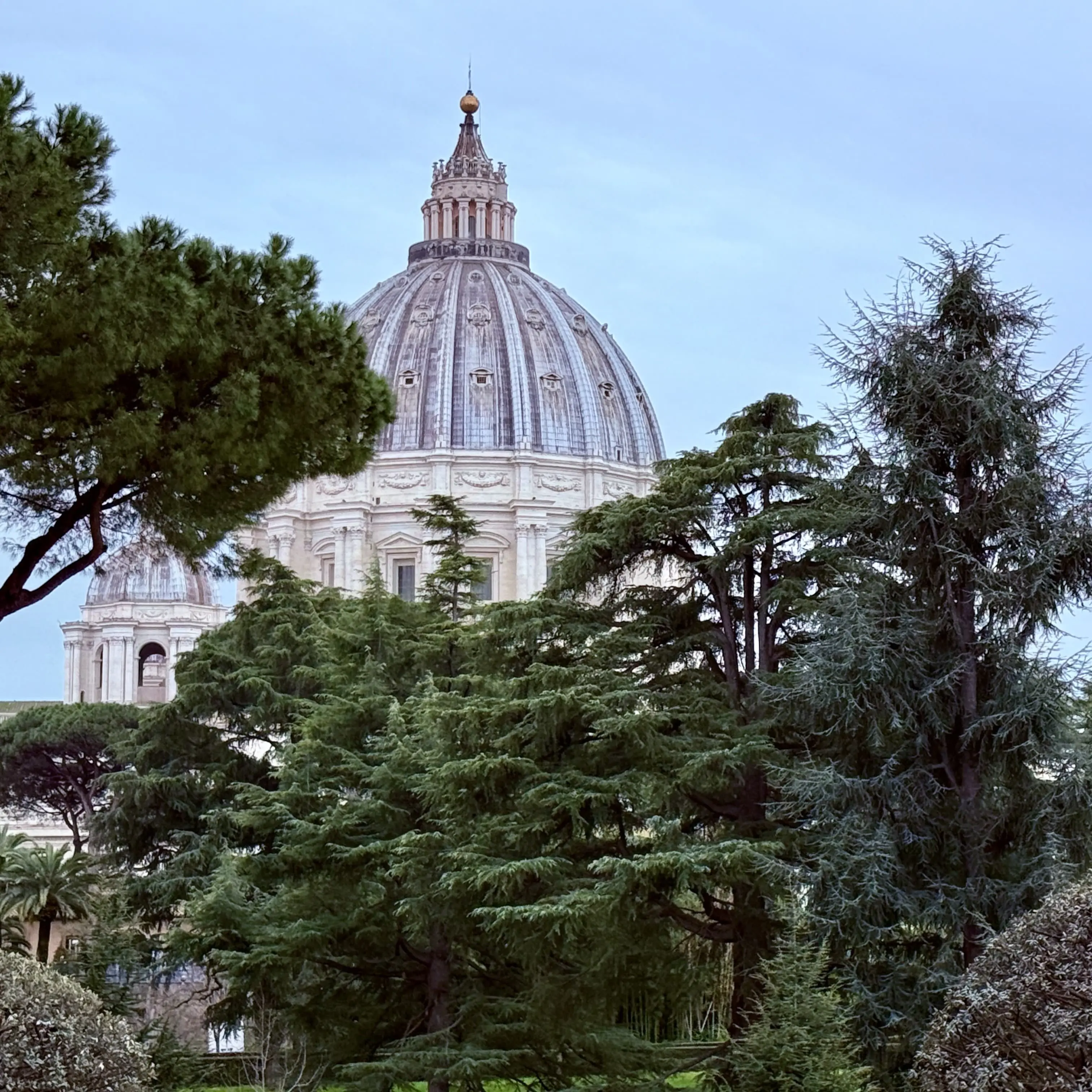
Brotherhood in 24 Hours Vatican City, Italy – 2025
We met as classmates and became family by sunrise. Somewhere between cobblestone steps and Vatican echoes, a brotherhood was born — the kind that needs no ceremony, just a shared spark and a camera lens..

Calm Before the Lake Bellagio, Lake Como – One Fine Morning
Before the tourists woke and the ferries hummed, I found a staircase that felt like a pause button. No algorithms, no deadlines — just ancient stones, Alpine air, and a hoodie that’s seen enough late-night code to deserve the silence.

Under the Dome, Above the Odds Pantheon, Rome — UC Lindner Innovation 2025
A circle of brilliance under a 2,000-year-old oculus. Each of us came from different corners of the world, bound together by curiosity, ambition, and that one unforgettable March in Rome. I was the youngest — but they made me feel infinite.

Pilgrimage to Performance Pagani HQ, Modena — Italy 2025
Some people visit cathedrals. I visited the temple of carbon fiber, horsepower, and human obsession. A moment of reverence outside Horacio Pagani’s sacred ground — where art meets speed, and dreams become handcrafted reality.

Boardroom Meets Bull Lamborghini HQ, Sant'Agata Bolognese — Italy 2025
A classroom unlike any other. Standing in front of the raging bull with my Lindner cohort, where we learned how Italian design, German precision, and brand legacy fuel a billion-dollar icon. Some field trips change your lens forever.
Just say hello!
Want to know more about me, tell me about your project or just to say hello? Drop me a line and I'll get back as soon as possible.
Done!
Thanks for your message. I'll get back as soon as possible.